




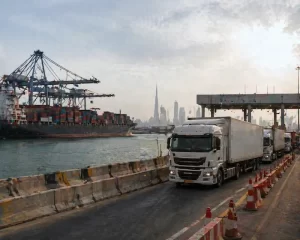

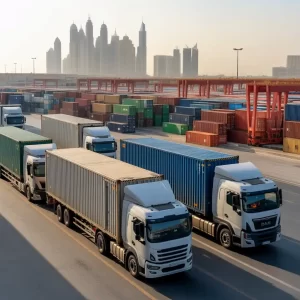
Trade across the Gulf Cooperation Council (GCC) region, especially between Dubai and Saudi Arabia, is growing rapidly. Thousands of shipments from industrial machinery to retail products travel daily along major road corridors, linking the UAE with Saudi Arabia, Oman, Bahrain, and Kuwait.
The solution is often straightforward for large enterprises handling bulk orders and massive product lines: Full Truckload (FTL) shipping. They need an entire truck, and they get one.
But what about the countless small to mid-sized businesses that don’t have the volume to fill a whole truck?
These companies might ship 2 to 3 pallets at a time, or occasionally send smaller loads to regional warehouses or customers across the GCC. For them, paying for unused truck space makes no business sense.
That’s where LTL shipping steps in, which is designed for flexibility, cost savings, and shared freight solutions.
What is LTL Shipping and How is it Categorized?
Less-than-truckload (LTL) shipping is a freight transportation method in which multiple shippers share space on the same truck. Rather than dedicating a full trailer to one shipper, LTL carriers consolidate several smaller shipments going in the same direction into a single load.
This approach is especially cost-effective for businesses that regularly move low-volume goods or smaller orders.
LTL shipments are typically categorized based on several factors: weight, dimensions, freight class, and destination. Most LTL loads weigh between 68 kg and 4,500 kg and occupy one to six pallets.
Freight class, often used in North American systems, categorizes items based on density, value, and handling needs, although GCC-specific freight standards may vary.
Shipments are often divided into Standard LTL, Volume LTL (larger but insufficient for FTL), and Expedited LTL (time-sensitive deliveries). Carriers use advanced routing and consolidation techniques to pair compatible loads while minimizing fuel and distance costs.
How Does LTL Work and How is it Different from FTL?
LTL shipping works through a process of freight consolidation and network optimization.
When a shipper books an LTL shipment, the carrier collects the freight and transports it to a local terminal or hub. There, it’s sorted and grouped with other compatible shipments. These consolidated loads are then transported to regional hubs, where another round of sorting may occur before final delivery to the destination.
This networked model allows LTL carriers to maximize truck space, lower environmental impact, and reduce costs. It’s a logistics puzzle with real-time adjustments, especially important for cross-border trade from Dubai to neighboring GCC states like Saudi Arabia.
FTL shipments, in contrast, involve direct delivery from point A to point B without any stops or transfers. This makes them faster but also more expensive for small loads.
Advantages of LTL Shipping
Cost Efficiency
Since you’re only paying for the portion of the truck you use, LTL significantly reduces shipping costs compared to booking an entire truck. This is particularly beneficial for startups or SMEs that can’t afford to allocate a big logistics budget for regional deliveries.
It also frees up capital that can be reinvested into inventory, marketing, or operations.
Flexibility
LTL shipping allows businesses to ship as needed, without waiting to accumulate a full load. This enables faster inventory movement, more responsive order fulfillment, and reduced storage costs in warehousing.
This responsiveness is ideal for businesses that operate in dynamic markets or deal with seasonal fluctuations.
Lower Environmental Impact
Because multiple shipments are combined into one truckload, LTL results in fewer trucks on the road, reducing fuel consumption and carbon emissions. This shared-load model contributes to more sustainable logistics.
As corporate responsibility becomes more important, choosing greener options like LTL can improve a business’s environmental image.
Network Reach
LTL carriers often have extensive regional networks with multiple hubs and distribution points. This allows for optimized routes and reliable service across the UAE and into neighboring GCC countries. These networks are especially valuable for small businesses without their distribution systems.
Shipment Tracking
Most LTL providers offer shipment tracking via GPS or barcode systems, giving shippers greater visibility over transit times, handling status, and estimated delivery, which is ideal for businesses that need status transparency for their customers.
Disadvantages of LTL Shipping
Longer Transit Time
LTL shipments involve multiple stops, handling, and terminal transfers, so delivery times may be longer than FTL. This is not ideal for urgent or time-critical deliveries. Transit times may vary depending on the efficiency of the carrier’s network and route planning.
Higher Risk of Damage
With more touchpoints (loading, unloading, sorting), LTL shipments are slightly more prone to damage or misrouting. Proper packaging and labeling tips are essential to mitigate this risk. Palletizing fragile items and using corner protectors or shrink-wrap can reduce exposure to impact damage.
Limited Space
You might not always get the space you want due to load balancing and scheduling constraints. Your goods are fitted based on availability and compatibility with other freight, which could occasionally cause delays.
Complex Pricing
LTL pricing depends on weight, dimensions, freight class, and destination zone. This can make the quoting process less transparent for first-time users than FTL’s simpler pricing.
Accessorial charges. Like liftgate service or residential delivery, it can also increase total costs. Getting a detailed quote and understanding all possible surcharges is important before confirming the shipment.
Documentation Needs
LTL requires more detailed documentation to ensure proper classification, tracking, and accountability. Incorrect or missing documents can delay the shipping process.
Each piece must be labeled properly; any discrepancies can lead to reclassification or rejection at transit hubs. Partnering with an experienced freight forwarding company in Dubai can simplify paperwork and avoid penalties.
Technologies That Enhance LTL Freight Shipping
Integrating IoT and AI technologies is transforming LTL freight shipping by enabling smarter route planning, real-time visibility, and predictive decision-making across every stage of the logistics process.
Transportation Management Systems (TMS)
TMS platforms help manage routing, carrier selection, and load optimization. They automatically assign your shipment to the most cost-effective and time-efficient truck based on your delivery needs.
Some systems also offer predictive analytics, allowing shippers to forecast transit times and identify risks before they happen. This leads to smarter decisions and better overall shipping performance.
Barcode and RFID Scanning
Advanced scanning technologies improve accuracy during loading and unloading, minimizing misplaced items and streamlining tracking updates at every stage. RFID, in particular, provides real-time visibility into shipment locations without manual scanning. This reduces delays at hubs and makes inventory audits faster and more accurate.
Real-Time GPS Tracking
GPS systems provide live location tracking for LTL freight, helping businesses stay updated on delivery status, delays, or reroutes. This is crucial for cross-border trade with Saudi Arabia, where customs delays may occur.
Real-time alerts can help businesses notify customers proactively and reallocate resources based on updated delivery times. GPS also supports better route optimization, reducing idle time and fuel costs.
Electronic Data Interchange (EDI)
EDI systems streamline communication between shippers, carriers, and logistics providers by digitally exchanging documents like Bills of Lading and invoices, reducing manual errors.
This automation leads to faster processing and greater document consistency across shipments. EDI also supports integration with customs systems for cross-border compliance.
Freight Consolidation Software
This software identifies compatible shipments that can be combined, helping LTL carriers maximize truck space and maintain efficient delivery timelines without unnecessary mileage.
By leveraging AI and data analytics, it balances delivery deadlines, load weights, and route preferences. This results in lower operational costs and improved carrier profitability, which can also benefit the shipper.
Best Practices for LTL Shipping Customers
Before booking an LTL shipment, it’s important to follow a few best practices to ensure timely and safe delivery:
- Accurate Dimensions: Double-check the weight and measurements of your shipment. Inaccurate details can lead to reclassification charges or delays.
- Secure Packaging: Always palletize your goods and use proper wrapping. This minimizes the risk of damage during multiple handling stages.
- Clear Labeling: Use visible and waterproof labels with addresses, contact info, and tracking codes. Clear labeling speeds up sorting and reduces error risk.
- Early Booking: Reserve space ahead of time, especially during high-demand seasons. LTL carriers operate on schedules that fill up quickly.
- Know Your Freight Class: Understand how your goods are categorized. Misclassified freight can result in penalty fees or incorrect route assignments.
- Track Consistently: Use the tracking tools provided by your carrier to monitor your shipment’s status. This helps with planning and customer service follow-ups.
Required Documentation for LTL Shipping
To complete an LTL shipment, several documents are typically required to ensure compliance and traceability:
- Bill of Lading (BOL)
- Commercial Invoice
- Packing List
- Customs Declaration (for cross-border shipments)
- Shipment Labels
While the documents for LTL are quite similar to the documentation required for FTL shipping, there are key differences in how detailed the BOL and labels need to be. In LTL, due to the load’s shared nature, any small documentation error can impact not just your shipment, but others as well, making precision even more critical.
Conclusion
LTL shipping offers a practical and cost-efficient solution for businesses that don’t have the volume for full truckloads but still need reliable logistics across Dubai and the wider GCC.
With smart technologies, sustainable advantages, and growing regional infrastructure, LTL is an essential part of today’s supply chain, especially for small and medium-sized enterprises looking to scale without the cost burden of FTL.
Ship Smarter with Alweam Cargo
Looking to move your smaller shipments across the GCC with precision and affordability? Alweam Cargo specializes in LTL road transport tailored for Dubai to Saudi Arabia cargo or any other GCC country.
Our advanced tracking systems, experienced logistics team, and flexible routing options ensure your goods arrive on time, every time. Contact Alweam Cargo today to find the best LTL shipping plan for your business.