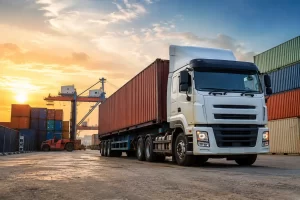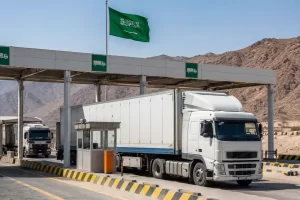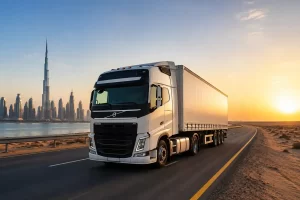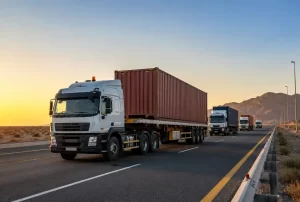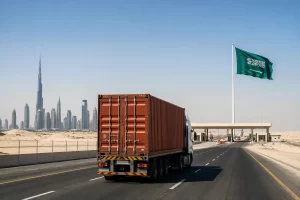
Road transport is the lifeblood of global trade. From moving raw materials to delivering finished products, it provides the connectivity that fuels economies worldwide. In modern logistics, where speed and efficiency are critical, road cargo continues to play a leading role. Its ability to link ports, warehouses, and retail hubs ensures that businesses meet customer demands quickly and cost-effectively.
This blog explores the importance of road transport in logistics and trade, with a particular focus on the Gulf region, where the UAE and Saudi Arabia rely heavily on road freight for cross-border commerce.
Road Transport as the Backbone of Supply Chains
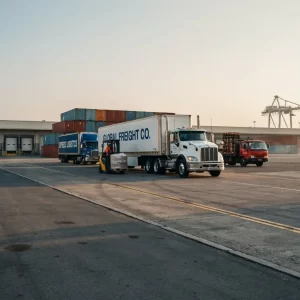
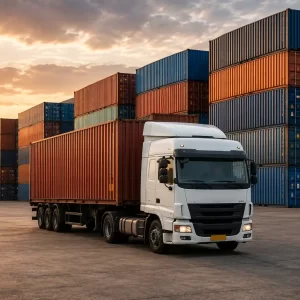
While air and sea freight dominate headlines, road transport often does the heavy lifting. Goods arriving at seaports or airports almost always rely on trucks for final delivery. Road cargo ensures last-mile connectivity—an essential step that other modes of transport cannot fulfill alone.
Without road transport, businesses would face bottlenecks in their supply chains. Supermarkets, factories, and e-commerce platforms all depend on trucking fleets to keep shelves stocked and customers satisfied. This versatility makes road freight the backbone of logistics worldwide.
Road Cargo in the GCC: Connecting Nations
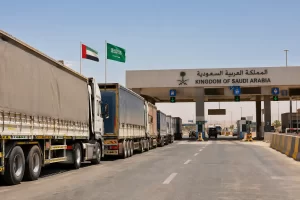
In the Gulf region, road cargo is more than a convenience—it is a necessity. The UAE and Saudi Arabia, as two of the largest economies in the region, rely on well-developed highways for daily trade. Thousands of shipments cross their borders each week, fueling industries from construction to retail.
For example, many exporters and importers rely on cargo from Dubai to Saudi Arabia because it provides fast, reliable, and cost-effective delivery. Road transport allows goods to bypass lengthy port delays while offering flexible scheduling that suits both small and large businesses.
Driving Economic Growth
Road transport directly impacts economic growth by supporting multiple industries. Every truck on the highway represents jobs for drivers, mechanics, warehouse workers, and logistics managers. The sector also drives indirect growth, supporting manufacturing, agriculture, and the booming e-commerce market.
In the UAE, modern road networks help Dubai function as a logistics hub. By enabling cross-border trade, these highways connect the Emirates to Saudi Arabia, Oman, Qatar, and beyond. This connectivity boosts exports, strengthens regional partnerships, and diversifies the economy beyond oil.
Benefits of Road Transport for Businesses
Businesses prefer road cargo for several reasons:
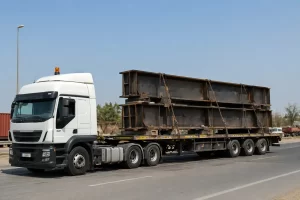
- Flexibility: Trucks can handle a wide range of cargo, from perishable goods to heavy machinery.
- Speed: Road transport is faster than sea freight for regional trade.
- Cost efficiency: It balances affordability and delivery speed better than air freight.
- Accessibility: Trucks can deliver to locations without airports or seaports.
When it comes to shipping from Dubai to Saudi Arabia, businesses benefit from door-to-door service, predictable delivery schedules, and lower costs compared to alternative methods. These advantages explain why road cargo remains a preferred choice for many companies in the GCC.
Enabling E-Commerce and Last-Mile Delivery
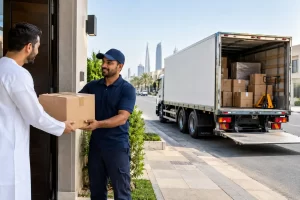
The rise of e-commerce has further highlighted the importance of road transport. Online shoppers expect quick and reliable deliveries, whether they are ordering electronics, clothing, or groceries. Road cargo enables this speed and convenience by providing the backbone for last-mile logistics.
In the GCC, where digital shopping is rapidly expanding, efficient road networks help retailers deliver orders within days—or even hours. This responsiveness is vital for maintaining customer satisfaction and trust.
Infrastructure and Cross-Border Efficiency
Governments across the GCC invest heavily in road infrastructure to support trade. Modern highways, border checkpoints, and logistics corridors streamline cargo movement and reduce delays. These investments are crucial for sustaining growth in cross-border trade.
For instance, improved highways linking Dubai to Saudi Arabia cut travel times, lower transportation costs, and reduce risks of damage for fragile goods. The result is faster, safer, and more reliable deliveries that benefit both businesses and consumers.
Why types of road freight transport matter is that each business can choose the most suitable option based on cargo size, urgency, and budget. From full truckloads (FTL) to less-than-truckload (LTL) shipping, road cargo provides flexible solutions for every logistics need.
Sustainability and the Future of Road Cargo
Although road transport is indispensable, it also faces challenges related to emissions and environmental impact. To address this, logistics companies are investing in green solutions, including electric trucks, optimized routing, and fuel-efficient vehicles.
In the UAE, sustainability initiatives are shaping the future of logistics. By embracing eco-friendly practices, road transport can continue to drive trade while reducing its carbon footprint. Businesses that adopt these changes position themselves as forward-thinking and environmentally responsible.
Conclusion
The importance of road transport in modern logistics and trade cannot be overstated. It connects producers and consumers, supports cross-border commerce, and sustains economic growth.
For the GCC, especially the UAE and Saudi Arabia, road cargo ensures seamless connectivity across borders. Whether it’s cargo from Dubai to Saudi Arabia or shipping from Dubai to Saudi Arabia, businesses depend on road freight for speed, reliability, and cost efficiency.
With ongoing infrastructure investments and a shift toward sustainability, road transport will remain the foundation of global trade and logistics for years to come.
Bhai ye lo, is blog ke liye proper FAQs:
FAQs
1. Why is road transport considered the backbone of supply chains?
Because most goods arriving by sea or air still need trucks for last-mile delivery, road transport connects ports, warehouses, and retail hubs that other methods can’t reach alone.
2. How does road cargo benefit trade between the UAE and Saudi Arabia?
It offers faster, more cost-effective delivery than sea freight, with door-to-door service and fewer port-related delays.
3. Is road freight better for e-commerce than other shipping methods?
Yes, road transport supports faster last-mile delivery, which is essential for meeting the quick turnaround times online shoppers expect.
4. What role does infrastructure play in cross-border road transport?
Improved highways and border checkpoints reduce transit times, lower costs, and minimize the risk of damage to fragile goods.
5. Is road freight becoming more sustainable?
Yes, logistics companies are increasingly adopting electric trucks, optimized routes, and fuel-efficient vehicles to reduce emissions.
6. Which type of road freight should I choose for my business?
It depends on cargo size and urgency, FTL suits large shipments, while LTL is more cost-effective for smaller loads.