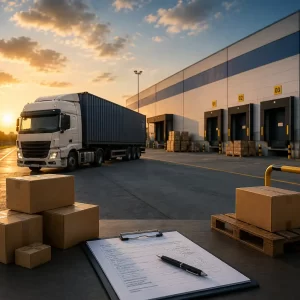
Dubai has positioned itself as one of the world’s most important logistics hubs, connecting businesses across the Middle East, Asia, Africa, and beyond. Whether you are a small importer or a large manufacturing company, choosing the right freight forwarder can make or break your supply chain. The right partner ensures your cargo moves efficiently, legally, and cost-effectively. This guide walks you through the key factors to keep in mind when selecting a freight forwarder in Dubai.
Why Work with the Best Freight Forwarding Company in Dubai?
Not all freight forwarders are created equal. The best freight forwarding company in Dubai will offer you end-to-end visibility of your shipment, competitive rates, strong carrier relationships, and expert knowledge of regional trade regulations. Look for a company that holds valid licenses from the UAE Ministry of Economy and is a member of recognized bodies such as FIATA or the Dubai Chamber of Commerce. Experience in your specific industry — whether it is food, electronics, or construction materials — also matters greatly. A seasoned forwarder will anticipate challenges before they become costly delays.
Seamless Shipping from Dubai to Saudi Arabia
Saudi Arabia is one of the UAE’s largest trading partners, and demand for reliable shipping from Dubai to Saudi Arabia continues to grow year on year. When evaluating a freight forwarder for this route, pay close attention to their road freight capabilities, transit time guarantees, and familiarity with Saudi customs procedures. The Salwa and Abu Samra border crossings are the primary land routes, and experienced forwarders know exactly how to keep documentation clean to prevent unnecessary holds. Look for partners who offer real-time tracking and have established relationships with Saudi authorities for smoother border processing.
Connecting to Qatar — Reliable Shipping from Dubai to Qatar
The demand for efficient shipping from Dubai to Qatar has surged significantly, particularly following Qatar’s infrastructure expansion in recent years. A competent freight forwarder should offer multimodal options — sea freight via Hamad Port or road freight through the Abu Samra border — depending on your cargo type, urgency, and budget. Transit times by road typically range between one to three days, making it one of the faster regional routes. Ensure your forwarder is up to date with Qatar’s import regulations, which can differ from UAE norms, especially for food, electronics, and construction goods.
Affordable and Reliable Shipping from Dubai to Saudi
Cost efficiency is always a top priority, and shipping from Dubai to Saudi can be optimized with the right forwarder. Ask potential partners about their consolidation (LCL) services, which allow smaller businesses to share container space and reduce per-unit freight costs. Full container loads (FCL) make more sense for larger, regular shipments. A good forwarder will advise you on the best option based on your cargo volume and schedule. Also, look into whether they offer warehousing and distribution services within Saudi Arabia, which can significantly streamline your last-mile delivery.
Understanding Your Industry — Specialization Matters
Beyond geography, consider whether the freight forwarder specializes in your type of cargo. Perishables, hazardous materials, oversized machinery, and high-value goods each require specific handling expertise, certifications, and insurance. Ask for references from clients in your industry and review their claims and incident history. A freight forwarder who understands your business will proactively suggest route optimizations, seasonal timing strategies, and packaging improvements that reduce your overall logistics costs.
Customs Clearance in Dubai — A Critical Factor
One of the most overlooked aspects of choosing a freight forwarder is their customs clearance in Dubai capability. Dubai Customs is known for its efficiency, but a single documentation error can result in cargo holds, fines, or even seizure. Your forwarder must have a licensed customs broker on staff and thorough knowledge of HS code classification, duty calculations, and Dubai’s free zone regulations. Whether your cargo is transiting through Jebel Ali Port, Dubai International Airport, or a free zone facility, your forwarder should handle all customs formalities seamlessly, keeping you informed at every step.
Frequently Asked Questions (FAQs)
Q: How do I verify if a freight forwarder in Dubai is legitimate?
Check for a valid UAE trade license, membership in FIATA or the Dubai Chamber of Commerce, and positive client reviews on platforms like Google or freight directories.
Q: How long does shipping from Dubai to Saudi Arabia take by road?
Standard road freight from Dubai to Riyadh or Jeddah typically takes two to four business days, depending on border congestion and documentation accuracy.
Q: What documents are required for customs clearance in Dubai?
Commonly required documents include a commercial invoice, packing list, bill of lading or airway bill, certificate of origin, and any relevant import/export permits depending on the cargo type.
Q: Is sea or road freight better for shipping from Dubai to Qatar?
Road freight is generally faster and more cost-effective for standard cargo. Sea freight is preferred for very large shipments or when road access is limited.
Q: Can small businesses afford to use a freight forwarder in Dubai?
Yes. Many freight forwarders offer LCL (Less than Container Load) consolidation services specifically designed for small and medium-sized businesses, making professional logistics accessible at lower costs.
Conclusion
Choosing the right freight forwarder in Dubai is a strategic decision that directly impacts your business efficiency and bottom line. From ensuring seamless customs clearance in Dubai to offering reliable shipping routes to Saudi Arabia and Qatar, the right partner brings expertise, transparency, and accountability to every shipment.
In today’s rapidly changing logistics industry, businesses must also understand the impact of global conflicts on cargo shipping, as geopolitical tensions, trade disruptions, and rising fuel costs can significantly affect shipping timelines and freight expenses across international routes.