
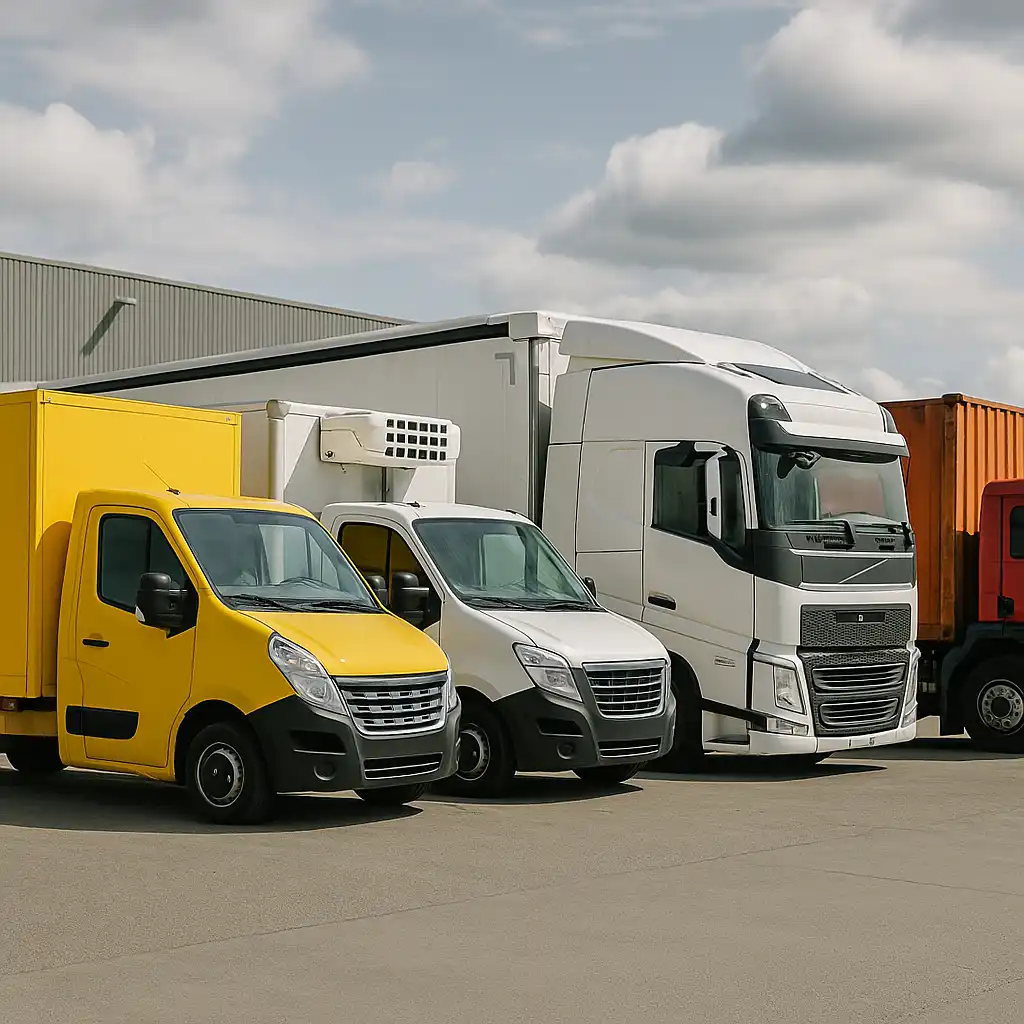



Road freight is one of the most reliable and widely used methods for transporting goods. Its flexibility, speed, and cost-efficiency make it the preferred choice for businesses across industries. But with multiple transport modes available—such as full truckload (FTL), less than truckload (LTL), refrigerated transport, and bulk cargo services—selecting the right one can be challenging.
This guide explains the types of road freight transport and helps you determine which option best fits your cargo needs.
Why Road Freight Transport Is Essential
Unlike sea or air freight, road transport provides unmatched accessibility. It connects ports, warehouses, factories, and retail outlets directly—making it the backbone of last-mile delivery. From shipping from Dubai to Saudi Arabia to regional trade across the GCC, road freight ensures timely and cost-efficient movement of goods.
Types of Road Freight Transport
1. Full Truckload (FTL) Transport
FTL means hiring an entire truck for one shipment.
- Ideal For: High-volume or heavy shipments.
Advantages:
- Direct routes and quicker delivery.
- Less risk of damage since cargo isn’t shared.
- Cost-effective when fully utilizing truck space.
Example: Large-scale FMCG shipments between warehouses in Dubai and Riyadh.
2. Less Than Truckload (LTL) Transport
LTL consolidates smaller shipments from different businesses into one truck.
- Ideal For: Small to medium shipments.
Advantages:
- Affordable since costs are shared.
- Flexible scheduling for recurring smaller loads.
- Environmentally friendly as trucks run at capacity.
Example: A retailer sending orders under the Dubai to Saudi cargo route in multiple cities.
3. Refrigerated (Reefer) Transport
Temperature-controlled trucks are designed for perishable and sensitive goods.
- Ideal For: Food, pharmaceuticals, flowers.
Advantages:
- Maintains freshness and product integrity.
- Essential for industries requiring strict cold chain management.
Example: Frozen foods delivered to restaurants in Abu Dhabi.
4. Dry Van Transport
These are enclosed trailers suitable for most general goods.
- Ideal For: Electronics, packaged items, clothing.
Advantages:
- Protects from weather, dust, and theft.
- Widely available across all regions.
Example: Consumer electronics moved by some of the best cargo services in Dubai.
5. Flatbed Transport
Flatbeds are open trailers that carry oversized or irregular cargo.
- Ideal For: Machinery, vehicles, or construction materials.
Advantages:
- Easier loading/unloading with cranes or forklifts.
- Perfect for cargo that doesn’t fit into standard trailers.
Example: Delivering prefabricated building materials to a construction site.
6. Bulk Cargo Transport
These trucks are designed for loose and unpackaged commodities like sand, grain, or cement.
- Ideal For: Agriculture, construction, raw material suppliers.
Advantages:
- Special compartments for safe handling.
- Efficient for industries requiring high-volume delivery.
Example: Bulk cement delivered to construction projects across the UAE.
7. Hazardous Materials (Hazmat) Transport
Hazmat transport handles dangerous goods, requiring special trucks and certifications.
- Ideal For: Chemicals, fuels, gases.
Advantages:
- Safety compliance with strict government regulations.
- Reduced risk of accidents.
Example: Petroleum deliveries along highways in the GCC.
8. Cross-Border Road Freight
Cross-border trucking plays a vital role in GCC trade.
- Ideal For: Import/export businesses in the Middle East.
Advantages:
- Faster than sea freight for regional transport.
- Customs clearance and border compliance included.
Example: A company expanding exports by shipping from Dubai to Saudi Arabia using specialized logistics partners.
How to Choose the Right Freight Option
When selecting the right type of transport, consider:
Cargo Size and Weight
Large loads fit FTL or flatbeds, while smaller shipments are best suited for LTL.
Cargo Sensitivity
Perishables need refrigerated trucks, while chemicals demand hazmat-certified vehicles.
Budget
Shared options like LTL reduce costs, while specialized services like refrigerated or hazmat require higher budgets.
Delivery Timeline
If speed is crucial, FTL is faster. If cost matters more, LTL may be the better option.
Trade Routes
For regional businesses, Dubai to Saudi cargo options are essential to ensure timely cross-border delivery.
What Is Freight Forwarding and How Can It Benefit
What Is Freight Forwarding and How Can It Benefit? In simple terms, freight forwarding is the process of managing and organizing the movement of goods across different carriers, routes, and borders. Freight forwarders act as intermediaries, handling tasks like customs clearance, documentation, and route planning.
For businesses without dedicated logistics departments, freight forwarders provide expert solutions that reduce complexity, ensure compliance with regulations, and cut down unnecessary costs. They also streamline communication between shippers, carriers, and customers, ensuring cargo reaches its destination efficiently and on time.
Whether it’s coordinating shipping from Dubai to Saudi Arabia, managing multi-modal shipments, or negotiating better rates, freight forwarding offers businesses peace of mind and operational efficiency.
Conclusion
The types of road freight transport available today—FTL, LTL, refrigerated, flatbed, bulk, and hazmat—give businesses flexibility to move goods efficiently. Each option has its own strengths, and the best choice depends on your cargo’s size, sensitivity, budget, and delivery timelines.
From local deliveries to shipping from Dubai to Saudi Arabia, road freight ensures that businesses can expand their reach while maintaining cost control. By partnering with the best cargo services in Dubai, companies can enjoy smoother, faster, and safer logistics operations.
Ultimately, choosing the right transport mode isn’t just about moving goods—it’s about building efficiency, reliability, and trust in your supply chain.