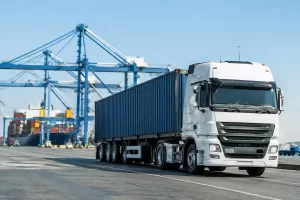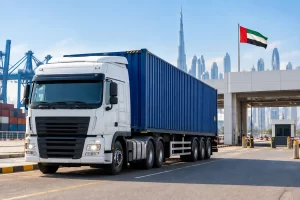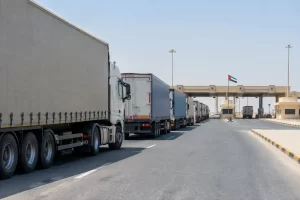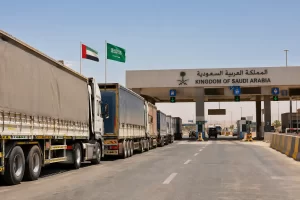
Every day, hundreds of trucks line up at Dubai’s border checkpoints, and more often than not, delays happen not because of the cargo itself, but a missing document or wrong HS code. At Alweam Cargo, years of handling road shipments across the region have taught us one thing: knowing the customs rules isn’t optional, it’s what keeps your shipment moving instead of stuck at the border. Whether you’re a business new to cross-border trade or an experienced import/export operator, working with the right freight forwarding partner makes all the difference.
Why Understanding Customs Rules Matters
Dubai operates as a top international trade center that uses its customs clearance in Dubai procedures to protect safety and maintain legal standards while facilitating uninterrupted trade activities.
The rules must be followed because they create consequences for noncompliance.
- Shipment delays because of inspections, together with documentation mistakes
- Fines and penalties that result from incorrect declarations or the possession of forbidden items
- Authorities will seize goods that breach UAE regulations.
Key Customs Rules for Road Cargo in Dubai
Understanding the main rules is essential for smooth cargo operations:
1. Documentation Requirements
Accurate paperwork is the backbone of customs compliance. Required documents typically include:
- Commercial Invoice: Lists goods, quantity, and value
- Packing List: Details the contents and packaging of each shipment
- Certificate of Origin: Confirms where goods were manufactured
- Road Consignment Note (RCN): Mandatory for road transport in Dubai
2. Duties and Taxes
Dubai applies customs duties and VAT to imported goods based on classification:
- Standard customs duty: The standard rate for customs duty amounts to 5 percent of the CIF value, which includes Cost, Insurance, and Freight.
- VAT: The value-added tax rate of 5 percent applies to the majority of products.
- Special tariffs: Some products, like alcohol, tobacco, or luxury items, may have higher duties
3. Prohibited and Restricted Goods
Certain items cannot be imported or require special licenses:
- Illegal drugs and narcotics
- Unlicensed electronics or firearms
- Hazardous materials without permits
4. Cargo Inspection Procedures
Customs may inspect shipments randomly or based on risk profiles:
- Proper labeling and secure packaging reduce inspection delays
- Physical inspections may require opening containers and verifying contents
- Using certified customs brokers ensures compliance with inspection protocols
Common Mistakes to Avoid
- Using incorrect HS codes or vague product descriptions
- Shipping prohibited items unintentionally
- Ignoring licensing requirements for regulated goods
Expert Tips for Smooth Road Cargo Shipments
Experience shows that the following strategies prevent common problems:
- Use Certified Transporters: Only licensed carriers can handle land transport in Dubai legally for road cargo shipments.
- Stay Updated on Regulations: Check the updates, notifications to avoid surprises on FCA (Fedral Custom Authority).
- Train Staff on Compliance: Ensure employees know how to prepare documentation and identify restricted goods.
- Maintain Detailed Records: Keep shipment records for at least five years to comply with audits.
Conclusion
Navigating the customs rules for road cargo shipments in Dubai may seem complex, but with accurate documentation, knowledge of prohibited items, and adherence to proper procedures, you can ensure smooth and timely deliveries. Partnering with licensed customs brokers and following best practices helps you avoid customs mistakes in cargo services and ensures business compliance.
Frequently Asked Questions
1. Can I ship personal items via road cargo in Dubai?
Yes, but personal shipments still require proper documentation and customs declarations.
2. How long does customs clearance take?
Typically, 24 to 72 hours if documentation is correct, but delays can occur for inspections or high-risk goods.
3. Can I handle customs clearance myself?
Yes, but working with a licensed customs broker is highly recommended for first-time or high-value shipments.