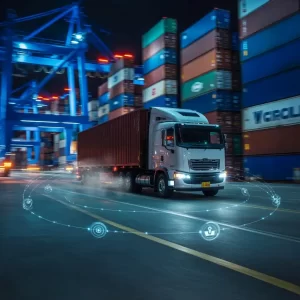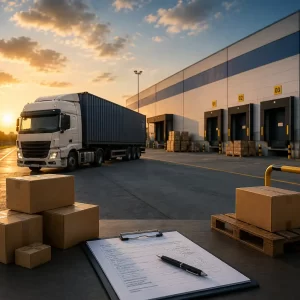
Road transport plays a critical role in the economic growth and supply chain efficiency of the GCC region, connecting major trade hubs like UAE, Saudi Arabia, Oman, Qatar, Kuwait, and Bahrain. Among logistics providers, the best freight forwarding company in Dubai ensures smooth cargo movement through reliable road freight solutions, customs handling, and cross-border coordination. With increasing trade activities, road logistics has become the backbone of regional import and export operations.
Role of Road Transport in GCC Trade and Economic Growth
Road freight is the most widely used transport mode in the GCC due to its flexibility, affordability, and direct connectivity. It supports industrial supply chains, retail distribution, and e-commerce expansion across the region. The integration of highways between GCC countries allows seamless cargo movement, reducing dependency on air and sea freight for short and medium distances. This makes road transport a key driver of GCC trade logistics efficiency.
Shipping from Dubai to Saudi Arabia: Key Logistics Route
One of the busiest trade corridors in the GCC is shipping from Dubai to Saudi Arabia, which involves high-volume cargo movement daily. This route supports commercial goods, construction materials, FMCG products, and industrial shipments. Efficient customs clearance and well-established border points make this corridor a backbone of regional trade connectivity. Businesses rely on optimized trucking schedules to reduce transit delays and improve supply chain performance.
Shipping from Dubai to Jeddah: Strategic Trade Corridor
Another major logistics route is shipping from Dubai to Jeddah, which connects UAE exporters to Saudi Arabia’s western region. This route is crucial for retail distribution, food supplies, and industrial shipments. Road freight companies ensure timely delivery through optimized route planning and real-time tracking systems. Efficient handling at border checkpoints further enhances reliability and reduces overall transit time.
Key Advantages of Road Freight in GCC Supply Chain
Road transport offers multiple advantages in GCC logistics, including door-to-door delivery, cost efficiency, and faster transit for regional shipments. It enables businesses to maintain inventory control and reduce warehousing costs. Advanced fleet management systems, GPS tracking, and professional customs handling further improve operational transparency and reliability across GCC trade networks.
Challenges in GCC Road Transport and Logistics Solutions
Despite its advantages, road freight in the GCC faces challenges such as customs delays, border congestion, and regulatory differences between countries. However, modern logistics companies are addressing these issues through digital documentation, real-time shipment tracking, and improved coordination with customs authorities. These improvements are enhancing supply chain efficiency across the region.
Door to Door Cargo in Dubai: Complete Logistics Solution
Door to Door Cargo in Dubai provides a fully managed logistics service where goods are collected from the sender’s location and delivered directly to the consignee. This service simplifies the shipping process, reduces handling risks, and ensures faster delivery times. It is widely used for both commercial and personal cargo shipments across GCC countries.
Frequently Asked Questions (FAQs)
Q1: Why is road transport important in GCC trade?
It provides cost-effective, flexible, and direct connectivity between GCC countries.
Q2: What makes Dubai a logistics hub?
Dubai’s strategic location, advanced infrastructure, and strong freight network make it a regional logistics hub.
Q3: How long does shipping from Dubai to Saudi Arabia take?
Typically, it takes 2–4 days depending on customs clearance and cargo type.
Q4: What is door-to-door cargo service?
It is a complete shipping solution where goods are picked up and delivered directly to the destination.
Conclusion
Road transport remains the backbone of GCC trade and logistics due to its efficiency, affordability, and cross-border connectivity. With increasing trade demand and advanced logistics systems, the role of road freight continues to grow across the region, making it essential for businesses seeking reliable and cost-effective cargo movement solutions.