


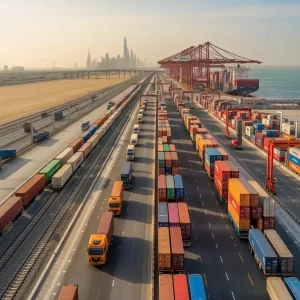




It is essential for companies and individuals shipping goods to understand how freight rates for road cargo destined for Saudi Arabia are determined. After all, shipping costs could either make or break the logistics budget. Working with experienced Freight Forwarders in Dubai can help you navigate these costs effectively. Understanding pricing can help keep your plans straight and avoid surprises. This blog breaks down what influences freight rates, from distance to market shifts, plus tips to manage your shipping costs smartly.
The Key Factors Affecting Freight Rates for Road Cargo to Saudi Arabia
The freight rates, rendered by different elements, constitute the final value of sending goods by road. In short, these are the main driving forces.
Distance and Complexity of the Route
A longer distance from the pick-up point to the Saudi destination incurs more shipping costs. More energy and time are consumed with longer routes, so it is straightforward. Then, there are the routes with multiple border crossings or through tricky terrains that add complexity, too.
Added to that price is the customs inspection, additional paperwork delay, and, at times, required permits. For instance, direct shipping from Dubai to Saudi Arabia features shorter and simpler routes and thus saves on transit time and cost.
Cargo Weight, Volume, and Type
Freight pricing depends on the weight and size of your consignment. Bigger or heavier goods require larger trucks or special equipment. Fragile or precious items require more handling with mysterious packing or climate control, which adds fees.
Oversized cargo may need extra permits or even an escort, which can inflate costs. The specific kind of your shipment matters, as moving standard pallets costs less than moving industrial machinery or even perishable goods.
Fuel Prices and Surcharges
Fuel is, of course, the main cost factor. When there is an increase in fuel prices, the trucking company will add a fuel surcharge to sustain its operation. These charges will vary with the oil markets around the world.
Since fuel prices can change very easily, surcharges are not fixed; they change every now and then. In other words, freight rates can change owing to these conditions without other things being affected.
Regulatory and Customs Fees
Shipping into Saudi Arabia involves customs duties, tariffs, and (in some cases) permits or certifications depending on the goods exported and the country of origin.
Compliance costs like documentation and inspection contribute to delays and increased expenses for shipments. Handling special cargo, such as hazardous or temperature-sensitive goods, might demand even more expensive handling and approvals.
Demand of the Seasons and Market Situations
Freight rates vary according to the change in demand. Among peak seasons like Ramadan or other major holidays, shipment volume spikes. The number of competitors increases and drives prices up for each cargo space.
Off seasons would grant a much better deal rate-wise and scheduling flexibility. Overall market conditions influence the pricing, along with the availability of trucks. If supply is tight, expect freight costs to rise.
Logistic and Operational Considerations in Rate Implementation
More than basics, operational details, and logistical choices influence your freight budget.
Handling, Loading, and Terminal Charges
There are certain fees involving handling, loading, and off-loading cargo, terminal handling or storage, or if trucks are delayed at borders or terminals.
For example, detention occurs when the truck remains too long at either the pick-up or delivery point. Good coordination and timing reduce these extra costs.
Third-Party Roles in Logistics
Expert logistics companies help reach the best rates and provide smoother shipping. They have value-added services, such as better negotiation of rates, route planning, and even paperwork.
For instance, professional companies in expert logistics will help you reduce shipping headaches and save money. They are very experienced in road cargo shipment from Dubai to Saudi Arabia, which would create optimal shipment processes.
Multimodal and Route Optimization Strategies
Sometimes, combining road freight with the sea or rail option is cheaper. Strategic route planning could also help avoid delays due to traffic and minimize fuel use.
Optimization of a shipment can be achieved through the consolidation of cargo or choosing less congested border crossings, which affects your rates. This cuts the time and costs without risking cargo safety.
Emerging Trends and Strategic Insights for Freight Cost Management
The shipping industry keeps changing. New trends and strategies come into the market, which can assist in controlling freight expenses.
Digital Freight Platforms and Real-Time Tracking
Now, in this time of technology, such platforms allow quick comparison between instantaneous freight rates, booking online, and tracking cargo in real time. It makes options easier, and hidden costs may be avoided.
A good number of shippers use apps to enable real-time monitoring of their road cargo as it moves across Saudi Arabia, making it more reliable and ultimately improving customer service.
Developing Infrastructure and Its Influence
Saudi ports such as King Abdullah Port and Jeddah Islamic Port have been able to effectively increase their cargo volumes and decrease the amount of time required to unload them, thus minimizing delays at those ports.
When infrastructure improves, terminal fees decrease and overall transit time shortens, which results in more stable and sometimes lower freight rates.
Market Volatility and Flexible Shipping Strategies
Fuel price swings and changing regulations require adaptability. Companies that adjust shipping schedules or methods can avoid costly peak fees.
Flexible contracts or using multiple carriers provide buffers against sudden market changes, maintaining cost control.
Best Practices for Shipping Industrial Equipment
Spending special care on industrial equipment in road freight requires best practices such as proper packaging, securing loads, and choosing vehicles suited for heavy or delicate machinery.
Best Practices for Shipping Industrial Equipment help the successful transportation of industrial equipment without any additional costs due to damage or delays.
Conclusion
Freight rates for road cargo to Saudi Arabia depend on many factors, including distance, nature of the cargo, fuel prices, regulations, and seasonal demand. Internal aspects such as handling charges and agreements with logistics partners will also influence pricing. Keeping these factors in mind will enable businesses to make smarter decisions in their operations and manage budgets effectively.
Staying with reliable logistics partners and embracing technology for transparency can bring great benefits. This forward-thinking preparation for shipping will minimize the risk of unforeseen expenses and ensure that your supply chain for the road transport of goods to Saudi Arabia flows smoothly.
The complete guide to cargo to Saudi Arabia from Dubai will enrich your understanding of the various aspects that ensure that your shipments remain efficient and economical.