


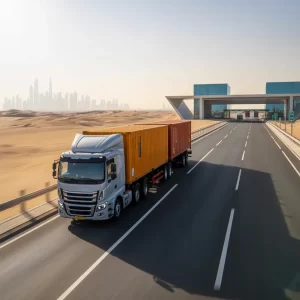
When businesses look for Freight forwarding companies in Dubai, one of the most common questions they ask is about dry bulk shipping. I remember speaking with a first-time exporter who wanted to move construction materials across the GCC. He wasn’t sure whether containers were the right option—or if dry bulk freight was the better solution. That’s where understanding dry bulk shipping becomes essential.
This guide explains what is dry bulk shipping, how it works, and why it plays such a vital role in cargo movement across the UAE and GCC region.
What is Dry Bulk Shipping?
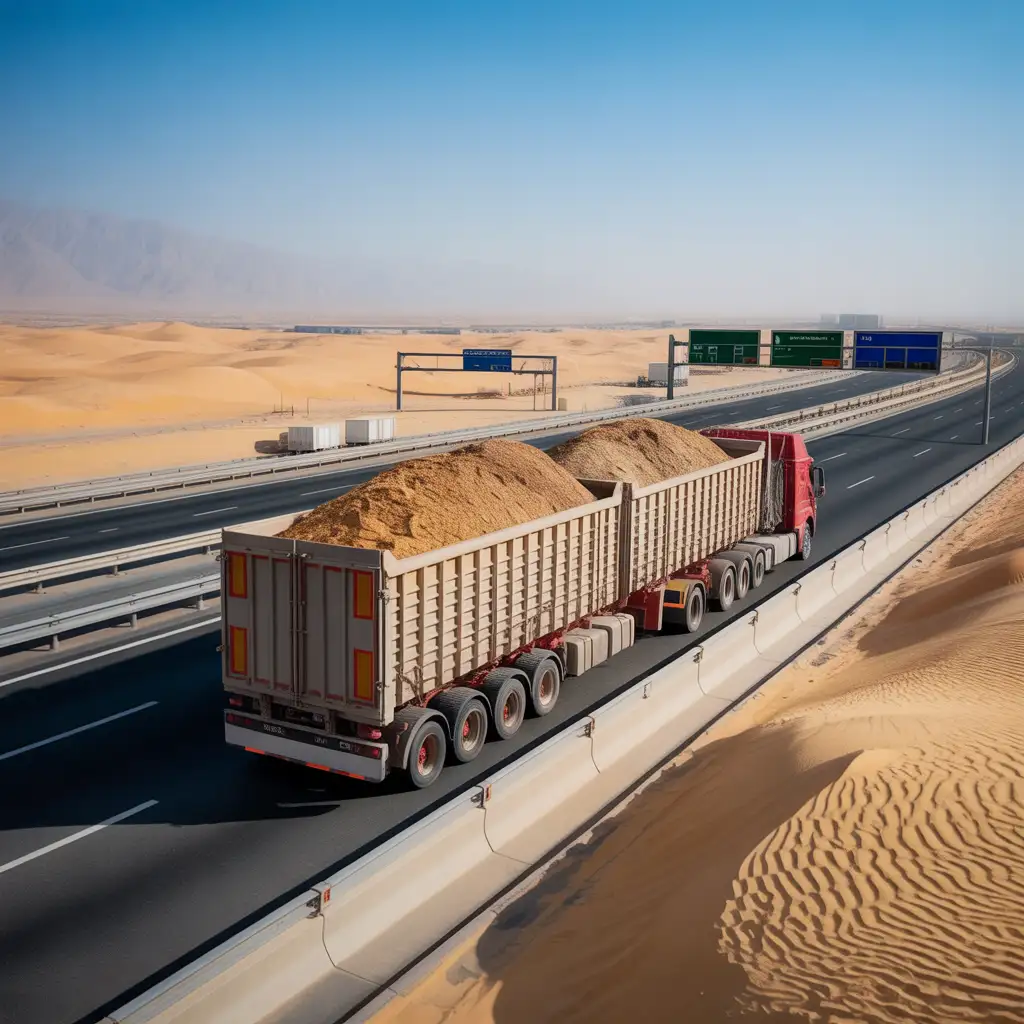
Dry bulk shipping refers to the transportation of unpackaged solid materials that are loaded directly into a vessel, truck, or carrier rather than packed in boxes or containers. These materials flow freely and are usually transported in large quantities.
Common examples of dry bulk cargo include:
- Cement and clinker
- Sand, gravel, and aggregates
- Grains and animal feed
- Coal and minerals
- Fertilizers and raw materials
Unlike container shipping, dry bulk shipping focuses on efficiency, volume, and cost-effectiveness—making it ideal for industrial and commercial supply chains.
Understanding Dry Bulk Cargo and Its Importance
Dry bulk cargo forms the backbone of regional trade. In the UAE and GCC, infrastructure development, manufacturing, and agriculture depend heavily on the smooth movement of dry bulk freight.
Whether it’s cement for construction projects or grains for food supply chains, dry bulk logistics keeps industries running. Without reliable dry bulk transport, delays and shortages can disrupt entire markets.
What is a Dry Bulk Carrier?
A dry bulk carrier is a specialized vessel or transport unit designed specifically to carry dry bulk cargo safely and efficiently. These carriers are built with large open holds that allow bulk materials to be loaded and unloaded using cranes, conveyors, or hoppers.
For road and regional transport, dry bulk carriers may include:
- Tip trucks
- Hopper trucks
- Bulk trailers
- Pneumatic tankers (for powdered materials)
Choosing the right dry bulk carrier depends on the cargo type, volume, and destination.
Step-by-Step: How Dry Bulk Shipping Works (UAE to GCC)
Step 1: Cargo Assessment
The process starts by identifying the type of dry bulk material—its weight, density, and handling requirements. Some materials need moisture protection, while others require reinforced transport.
Step 2: Selecting the Right Transport Mode
Depending on distance and urgency, dry bulk freight can move by:
- Road freight within GCC
- Sea freight for large volumes
- A combination of both
This step ensures cost efficiency and cargo safety.
Step 3: Loading & Securing the Cargo
Dry bulk cargo is loaded directly into carriers using specialized equipment. Proper securing is critical to prevent shifting, spillage, or loss during transit.
Dry Bulk Shipping from UAE to GCC Markets
The UAE is a major logistics hub for regional trade. Routes such as Shipping from Dubai to Saudi Arabia are heavily used for dry bulk cargo, especially for construction and industrial materials.
Dry bulk shipping supports:
- Saudi infrastructure projects
- Oman’s construction and mining sectors
- Kuwait’s industrial supply chains
With proper planning, businesses can move large volumes efficiently across borders.
Benefits of Dry Bulk Freight
- Cost-effective for large volumes
- Faster handling compared to packaged cargo
- Ideal for raw and industrial materials
- Reduced packaging waste
- Scalable for long-term supply chains
This is why many businesses prefer dry bulk freight over containerized shipping for raw materials.
Challenges in Dry Bulk Shipping (and How to Manage Them)
While efficient, dry bulk shipping comes with challenges:
- Dust and moisture control
- Weight distribution issues
- Specialized handling requirements
These risks can be minimized by working with experienced logistics providers and using the correct equipment.
FAQs About Dry Bulk Shipping
What is dry bulk shipping used for?
Dry bulk shipping is used to transport loose solid materials like grains, cement, coal, and minerals in large quantities.
Is dry bulk shipping cheaper than container shipping?
Yes, for high-volume cargo, dry bulk shipping is often more cost-effective due to reduced packaging and handling costs.
What industries rely on dry bulk cargo?
Construction, agriculture, mining, and manufacturing industries heavily depend on dry bulk logistics.
Can dry bulk shipping be done across GCC borders?
Absolutely. Dry bulk shipping is widely used across the UAE, Saudi Arabia, Oman, and Kuwait.
Conclusion
Understanding what is dry bulk shipping helps businesses make smarter logistics decisions, especially when cost planning is just as important as cargo safety. From raw materials to industrial supplies, dry bulk freight plays a crucial role in keeping GCC trade moving efficiently, while also allowing companies to apply a step-by-step method to calculate freight cost per unit for better budgeting and transparency. With the UAE positioned as a logistics hub and strong regional routes supporting GCC trade, dry bulk shipping remains one of the most reliable and scalable cargo solutions for businesses looking to grow across borders.