



Weather and seasonal changes play a critical role in shipping logistics, influencing delivery times, safety, costs, and global supply chain performance. Understanding these impacts helps businesses plan better, reduce delays, and protect goods from unpredictable natural conditions, a key consideration for any freight forwarding company in Dubai handling seasonal or weather-sensitive cargo.
This guide provides a detailed explanation of how weather and seasonal changes impact shipping and logistics.
How Weather Affects Shipping Operations
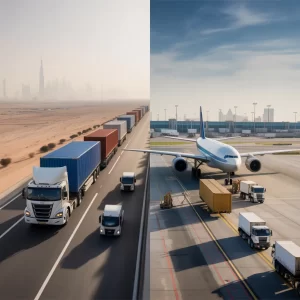
Shipping relies on coordinated global movement across road, sea, rail, and air networks. But weather can significantly disrupt these systems:
Sea Freight Challenges
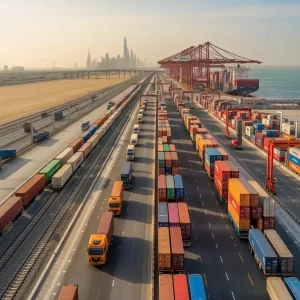
- Storms, hurricanes, and high seas can force ports to close and vessels to reroute, extending transit times and increasing costs.
- Fog and low visibility slow navigation and unloading operations.
- Droughts and low water levels in key routes like the Panama Canal reduce cargo capacity and raise freight rates.
Land & Air Freight Disruptions
- Snow, ice, and flooding can make roads unapproachable, delay trucking routes, or shut down rail lines, challenges that directly impact the Land Transport Service in Dubai across regions with variable climates.
- Heavy rainfall and wind affect airport schedules and ground transfers, delaying cargo flights.
Seasonal Shipping Risks
Each season introduces unique challenges:
Winter
Ice and snow can freeze ports, freeze roadways, and complicate unloading, often requiring extra equipment like icebreakers or special vehicles.
Spring
Snowmelt and increased rain cause river flooding and landslides, disrupting inland freight and port access.
Summer
Hurricane and typhoon seasons bring powerful storms that stop shipments and create port congestion. Heatwaves can also stress equipment and damage temperature-sensitive cargo.
Autumn
Early cold fronts or unseasonal storms can impact planning and raise rerouting requirements.
Business Impacts of Weather on Shipping
Weather issues don’t just delay deliveries; they impact overall business performance:
Increased Operational Costs
Longer routes and delays mean more fuel, labor, and storage costs.
Safety Risks
Cargo damage, worker safety issues, and transport accidents are more likely under extreme weather.
Customer Satisfaction
Unforeseen delays lead to missed delivery windows and frustrated customers, especially in time-sensitive industries.
Mitigation Strategies for Weather Disruptions
Businesses can adapt and thrive with smart planning:
Actionable Tips
- Use advanced forecasting tools to anticipate weather changes and adjust routes proactively.
- Diversify transportation modes and routes, and avoid single dependencies.
- Weather-resilient packaging for sensitive goods.
- Real-time tracking and communication with customers.
Technology Investments
Tools like AI-driven weather prediction and IoT sensors give shippers real-time insights to make faster decisions and reduce disruptions.
Why Understanding Weather Matters More Than Ever
Climate change is increasing the frequency and intensity of extreme weather events. Shipping operations must evolve to incorporate better data, stronger planning frameworks, and resilient supply chains that account for long-term seasonal fluctuations.
Including weather risk assessments and adaptive shipping strategies is no longer optional; it’s essential for reliable trade and customer trust.
Conclusion
Weather and seasons have a profound impact on shipping operations, from delays and safety risks to increased costs and strategic planning needs. By understanding how weather affects different transport modes and applying actionable mitigation strategies, businesses can overcome common reasons for cargo delays while safeguarding supply chain continuity all year.
Frequently Asked Questions
Q: How do changing climate conditions influence global shipping operations?
A: Climate change increases weather disruptions, causes route instability, and leads to higher shipping delays and costs.
Q: How do weather patterns impact road transportation?
A: Extreme heat, flooding, and storms can damage infrastructure and slow down land-based shipping.
Q: What are the main stages involved in the shipping process?
A: Shipping typically includes order processing, pickup, transportation, customs clearance, and final delivery.