Blog

  • Difference Between Intermodal and Multimodal Transport: A Complete Guide for UAE Shippers

    Difference Between Intermodal and Multimodal Transport: A Complete Guide for UAE Shippers

    When businesses in the UAE need to move cargo across GCC countries, one question comes up repeatedly: What is the difference between intermodal and multimodal transport?

    After working with logistics companies and studying how regional freight moves between the UAE and neighbouring markets, I’ve noticed that many shippers confuse these two terms. While both involve using more than one mode of transportation, they operate very differently in practice.

    Here’s what most shippers don’t realize until it costs them: the method you choose decides who you call when something goes wrong, and what you end up paying. That’s why it’s worth talking to a freight forwarding company in Dubai first, they’ve seen what goes wrong when businesses pick the wrong one.

    What Is Intermodal Transport?

    Intermodal transport means a shipment moves using multiple transport modes, such as trucks, ships, or rail, while each stage is handled by a different carrier or logistics provider. Every carrier is responsible only for its part of the journey.

    For example:

    • Goods are collected by truck in Dubai.
    • The cargo is transferred to a shipping line.
    • Another trucking company delivers it after customs clearance.

    Each company manages its own section, documentation, and responsibility.

    This approach often works well for businesses that already have preferred transport partners or want greater control over different stages of the shipment.

    What Is Multimodal Transport?

    Multimodal transport also combines two or more transport modes. The difference is that one logistics provider manages the entire shipment under a single contract.

    The cargo may travel by truck, sea, or another transport mode, but you communicate with only one company throughout the process. That provider coordinates every stage, including documentation, scheduling, and delivery.

    For businesses using a Dubai to Saudi cargo service, multimodal transport is often the simpler option because one logistics partner manages the shipment from collection through final delivery, reducing coordination between multiple carriers.

    Difference Between Intermodal and Multimodal Transport

    FeatureIntermodal TransportMultimodal Transport
    Number of contractsMultipleOne
    Logistics providersMultiple carriersOne provider
    ResponsibilityShared between carriersOne company manages the shipment
    CommunicationMultiple contact pointsSingle point of contact
    DocumentationSeparate paperworkUnified documentation
    Best forBusinesses wanting more controlBusinesses seeking a simpler process

    Which Option Is Better for UAE Businesses?

    There isn’t one answer for every shipment.

    Intermodal transport can be suitable if:

    • You already work with trusted transport companies.
    • You want more flexibility during different shipping stages.
    • You manage logistics internally.

    Multimodal transport may be a better fit if:

    • You prefer one company to handle everything.
    • You want simpler shipment management.
    • You regularly ship goods across GCC countries.
    • You value faster coordination when unexpected issues arise.

    The right choice depends on your cargo type, shipping frequency, destination, and operational priorities.

    Factors to Consider Before Choosing

    Before selecting a shipping method, evaluate:

    • Delivery deadlines
    • Cargo size and weight
    • Customs requirements
    • Budget
    • Risk management
    • Tracking and communication
    • Insurance coverage
    • Cross-border documentation

    Looking at these factors early helps prevent delays and unexpected costs later.

    Common Misconceptions

    Many people believe intermodal and multimodal transport are identical because both use different transport methods. The real difference is who manages the shipment.

    Another misconception is that multimodal transport is always more expensive. In many cases, businesses actually reduce administrative work and save time because a single logistics provider coordinates the entire movement.

    Which Transport Method Works Best for Dubai to Saudi Arabia?

    For regular commercial shipments between Dubai and Saudi Arabia, many businesses prefer multimodal transport because customs coordination, documentation, scheduling, and delivery are managed through one provider.

    However, companies with established carrier networks may still choose intermodal transport when they need greater operational control over each stage of the journey.

    The best option depends on your shipment rather than one method being universally better than the other.

    Conclusion

    Understanding the difference between intermodal and multimodal transport helps businesses make better shipping decisions instead of choosing based only on price.

    Intermodal transport offers greater flexibility by allowing different carriers to manage individual stages, while multimodal transport simplifies the entire process through a single logistics provider. If your priority is easier coordination and a smoother shipping experience, multimodal transport is often the practical choice. If you need greater control over individual transport stages, intermodal transport may better suit your operations. Either way, knowing how to ship goods from Dubai to Saudi Arabia the right way starts with choosing the transport method that fits your business, not just your budget.

    Frequently Asked Questions

    What is the main difference between intermodal and multimodal transport?

    The main difference is responsibility. Intermodal transport involves multiple carriers and multiple contracts, while multimodal transport uses one logistics provider under a single contract.

    Which is better for UAE to Saudi shipments?

    For many businesses, multimodal transport is easier because one company manages the shipment from pickup to final delivery. The best choice still depends on your cargo and operational requirements.

    Is multimodal transport more expensive?

    Not necessarily. Although pricing varies, businesses often reduce administrative effort and coordination costs by working with a single logistics provider.

    Can both transport methods include road transport?

    Yes. Both intermodal and multimodal transport can use road freight along with sea, rail, or air transport, depending on the shipping route.

    How do I choose the right transport method?

    Consider your delivery timeline, cargo type, budget, customs requirements, preferred level of control, and whether you want to manage multiple carriers or work with one logistics company.
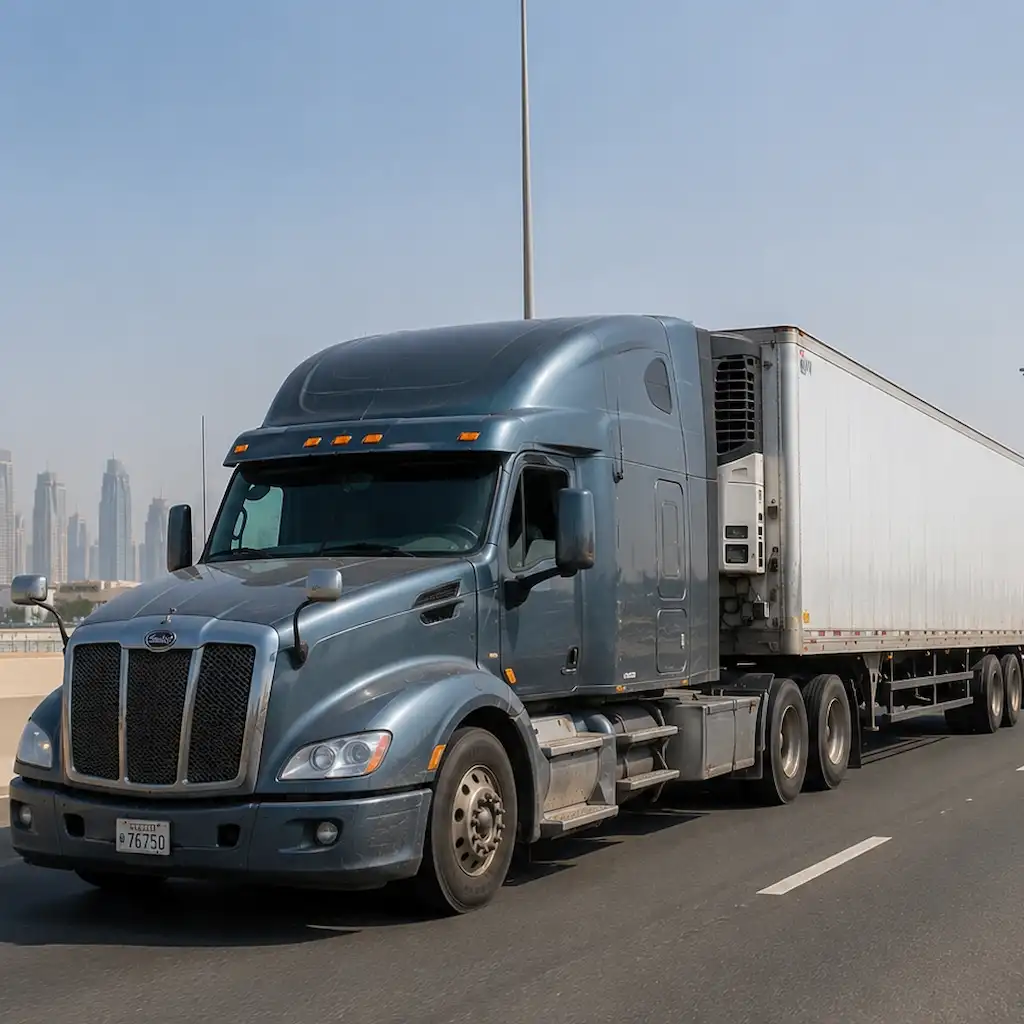
  • What to Know Before Shipping Cargo From Dubai to Saudi Arabia

    What to Know Before Shipping Cargo From Dubai to Saudi Arabia

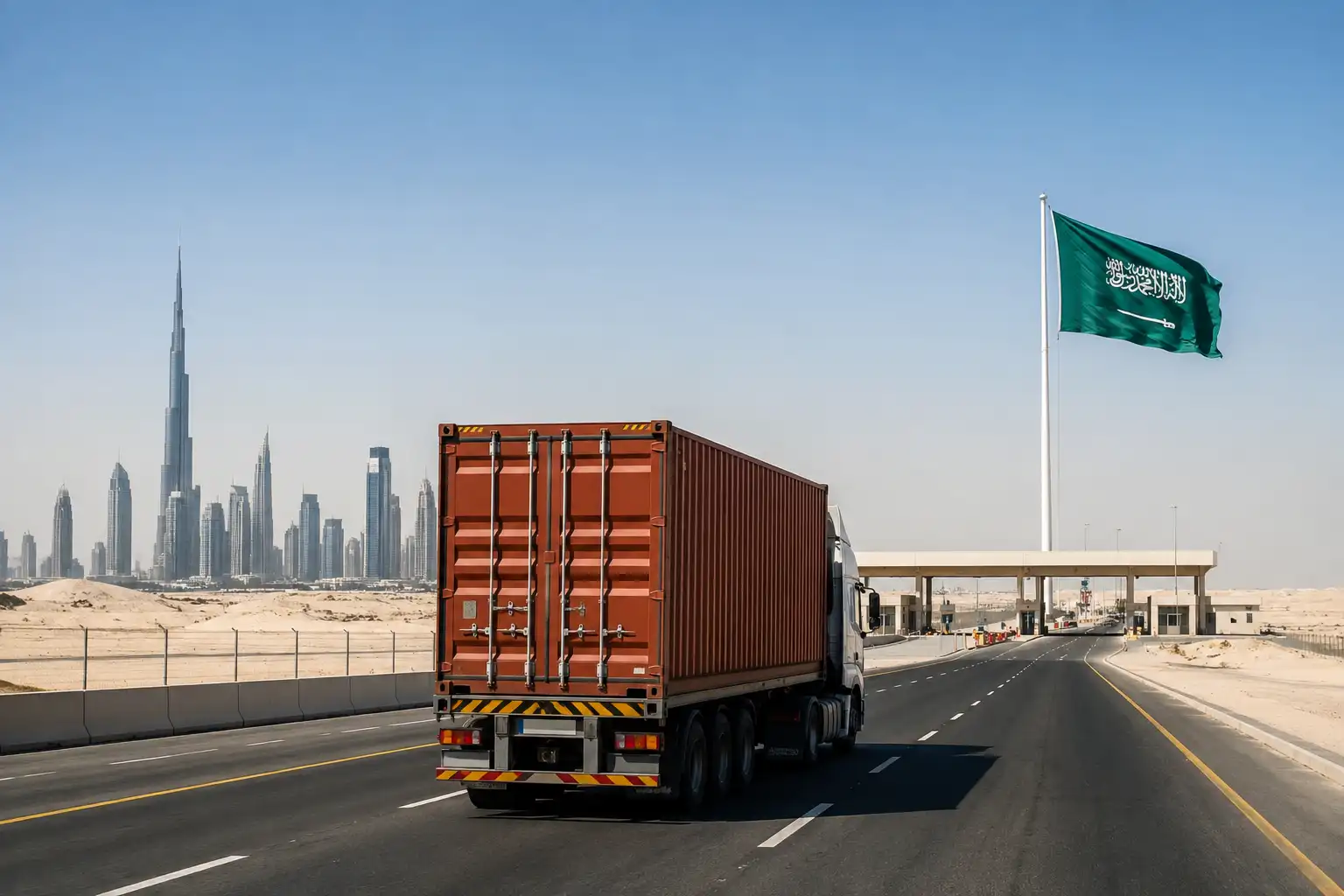
    Shipping cargo from Dubai to Saudi Arabia by road involves careful documentation, customs clearance, and route planning, not just booking a truck. The biggest delays almost always come from paperwork errors at the border, not the actual driving.

    Why Some Shipments Clear in Hours and Others Take Weeks

    After managing GCC road freight operations for more than a decade, I’ve learned that successful cross-border shipping depends on planning long before the truck leaves the warehouse. Many businesses focus only on transport costs, but the real difference comes from documentation, customs preparation, route planning, and communication.

    I’ve handled enough shipments on this route to know the difference documentation makes. Working as a Freight Forwarding Company in Dubai, some clients’ cargo clears the Saudi border within hours because every document was verified before the truck even left Dubai. Others, especially those who came to us after working with less experienced providers, ended up losing days, sometimes weeks, to paperwork errors that could’ve been caught beforehand. That gap taught me something simple: getting cargo across this border smoothly comes down to preparation, not luck.

    What Makes Road Transport Different for GCC Cargo

    The demand for road cargo from Dubai to Saudi Arabia keeps growing because it offers a good balance between speed, flexibility, and cost. For businesses shipping commercial goods across the GCC, trucks provide direct transportation without multiple handling points along the way.

    Road transport works especially well for:

    • Commercial cargo and retail inventory
    • Industrial equipment and construction materials
    • FMCG products
    • Automotive spare parts
    • Temperature-controlled shipments

    Compared to other transport options, GCC road freight tends to offer more predictable transit times, which helps businesses keep their supply chains consistent instead of dealing with sudden schedule changes.

    What Actually Happens at the Border

    Most delays on this route don’t happen on the road itself, they happen at the border. Saudi customs require accurate commercial invoices, packing lists, correct HS codes, and properly declared cargo details. Even a small documentation mismatch, like a wrong classification code, can hold a shipment for days.

    This is why documentation gets reviewed carefully before a truck ever departs Dubai, checking that everything matches customs requirements on both sides of the border before it becomes a problem at the crossing.

    Planning a Shipment to Riyadh

    Sending cargo through dubai to riyadh cargo services involves more than just picking a truck and a route. A few things matter more than people expect:

    • Choosing the right vehicle for the cargo type
    • Loading cargo properly to avoid damage or delays
    • Planning the route around border traffic patterns
    • Scheduling border crossing times in advance
    • Coordinating customs clearance ahead of arrival

    Riyadh is one of Saudi Arabia’s busiest commercial hubs, so shipments heading there often see more variation in timing depending on the week and season.

    A Real Example of How Documentation Errors Get Fixed

    Last year, a client came to us after another provider failed to move their commercial cargo before a major retail launch in Riyadh. The shipment carried promotional products that had to arrive before the weekend, but the previous company had submitted incomplete customs paperwork, and the cargo was stuck before it even reached the border.

    We reviewed the documentation immediately, corrected the errors, coordinated directly with customs, and rescheduled the shipment. The truck crossed the border without further issues and reached the warehouse in Riyadh within the revised window. The client avoided a stock shortage and launched their promotion on time. That case is a good example of how most cross-border problems trace back to paperwork, not the actual transport.

    Questions Worth Asking Before Shipping

    Before sending cargo on this route, it helps to know the answers to a few basic questions:

    • Does the provider regularly handle shipments to Saudi Arabia?
    • Is customs clearance handled as part of the service?
    • Will you get real shipment tracking, not just a starting point?
    • What happens if there’s an unexpected border delay?
    • Is there experience handling your specific type of cargo?

    The answers to these usually tell you more about how smoothly your shipment will move than the price quote does.

    Why Experience on This Route Matters

    Cross-border shipping across the GCC involves changing regulations, border procedures, and documentation updates that shift more often than people realize. Businesses that have moved cargo on this route for years tend to build their processes around these changes instead of reacting to problems as they come up, which is usually what separates a smooth shipment from a delayed one.

    FAQs

    What is the fastest way to send cargo from Dubai to Saudi Arabia?
    Road freight is generally the fastest option for regular commercial shipments, especially for medium to large loads.

    How long does road cargo from Dubai to Saudi Arabia take?
    It typically takes a few days, depending on the destination, customs clearance, and shipment type.

    What documents are required for Saudi road cargo?
    A commercial invoice, packing list, customs documents, and any product-specific certificates are usually required.

    Is road freight cheaper than air freight for Saudi shipments?
    Yes, road freight is usually more cost-effective for medium and large commercial cargo.

    Can road cargo include door-to-door delivery in Saudi Arabia?
    Yes, many providers offer door-to-door cargo delivery across major Saudi cities.

    Conclusion

    Shipping cargo from Dubai to Saudi Arabia by road comes down to preparation more than anything else. The Riyadh shipment case above is a clear example, the actual driving rarely causes delays, but a single documentation error can hold a truck at the border for days. Understanding what’s needed before the truck even leaves Dubai is what keeps a shipment on schedule.

  • Cross Border Freight Forwarding Between UAE and GCC Explained

    Cross Border Freight Forwarding Between UAE and GCC Explained

    Cross border freight forwarding between the UAE and GCC involves moving cargo across multiple borders, each with its own customs rules, documentation needs, and inspection process. 

    A client of mine, running a small electronics distribution business, once told me he assumed shipping to Oman would work exactly like shipping to Saudi Arabia, same documents, same process, same timeline. It didn’t. His shipment sat at the Omani border for three extra days because he’d submitted the wrong certificate format, one that Saudi customs accepted without issue but Oman didn’t. As a freight forwarder in Dubai who’s dealt with this exact confusion more times than I can count, that mix-up is honestly one of the most common mistakes I see businesses make.

    Why GCC Countries Aren’t Interchangeable

    This is the part that surprises a lot of first-time shippers. The GCC feels like one connected economic zone, and in many ways it is, but customs requirements still differ from country to country. Saudi Arabia, Oman, Bahrain, Kuwait, and Qatar each have their own documentation standards, inspection procedures, and sometimes even different accepted formats for the same certificate type.

    This is where custom clearance services in dubai actually matter, knowing which paperwork applies to which destination before the truck leaves. A commercial invoice that clears one border can get flagged at another simply because a field wasn’t filled out the way that country expects.

    What Actually Slows Down Cross-Border Shipments

    Over the years, I’ve noticed the same handful of issues come up again and again:

    • Using one country’s document format for a different destination
    • Missing or outdated certificates of origin
    • Incorrect HS code classification for the destination country
    • Not accounting for country-specific inspection days or holidays
    • Assuming all GCC borders operate on the same working hours

    None of these are complicated problems on their own. They just require someone who’s actually paying attention to which country the cargo is actually going to, not treating the whole region as one uniform process.

    Why Door-to-Door Delivery Removes Most of the Guesswork

    For businesses that don’t want to manage these country-specific details themselves, this is exactly why door to door from dubai to saudi has become so common for GCC shipments. 

    When we took over that electronics client’s account after his Oman delay, we rebuilt his shipping documents specifically for each country he ships to, Saudi Arabia, Oman, and Bahrain now each have their own checklist on file. He hasn’t had a border hold since.

    Questions Worth Asking Before You Ship

    If you’re shipping across multiple GCC countries, it helps to know these answers upfront:

    • Does the provider prepare separate documentation for each destination country, or use one template?
    • Are they familiar with country-specific inspection schedules?
    • Can they explain the difference in requirements between two GCC countries if asked?
    • Do they track shipments differently depending on the border crossing involved?

    If a provider can’t clearly answer these, there’s a good chance they’re treating every GCC shipment the same way, which is usually where delays start.

    What Experience Actually Changes

    Cross-border freight forwarding across the GCC isn’t something you get right by following one checklist. Regulations shift, inspection priorities change, and each country updates its requirements at different times. The difference between a shipment that clears smoothly and one that sits at a border usually comes down to whether someone actually double-checked the destination-specific details before the truck left.

    FAQs

    Is the customs process the same across all GCC countries?
    No, each GCC country has its own documentation and inspection requirements, even though the region feels economically connected.

    What documents are usually needed for GCC cross-border shipments?
    A commercial invoice, packing list, certificate of origin, and correct HS code classification are standard, though exact requirements vary by destination.

    Why did my shipment get delayed at a GCC border?
    Most delays happen due to documentation mismatches, often from using one country’s accepted format for a different destination.

    Can one company handle shipments to multiple GCC countries?
    Yes, as long as they prepare destination-specific documentation rather than applying one generic process to every country.

    Does door-to-door service help with cross-border GCC shipping?
    Yes, it removes the need to coordinate separate providers for pickup, documentation, and delivery, reducing the chances of mismatched paperwork.

    Conclusion

    That Oman delay taught my client something most businesses only learn the hard way, the GCC isn’t one uniform shipping zone, even if it feels that way. Every country has its own rhythm, and the shipments that move smoothly are almost always the ones where someone checked the destination-specific details before the truck left Dubai.

  • Dubai to Saudi Cargo: How to Handle Supply Chain Challenges

    Dubai to Saudi Cargo: How to Handle Supply Chain Challenges

    Supply chain challenges can delay deliveries and increase costs. The best way to keep Dubai to Saudi cargo moving smoothly is to choose experienced freight forwarders in Dubai, prepare accurate documents, and use reliable Dubai to Saudi by road cargo services.

    I still remember a shipment heading to Saudi Arabia that was fully loaded and ready to leave Dubai, but a small documentation issue delayed the truck at the border. That experience reminded me that successful cargo to Saudi Arabia from Dubai isn’t just about transportation it’s about planning every detail before the journey begins. Over the years, I’ve seen that businesses using reliable Dubai to Saudi cargo services face far fewer supply chain disruptions because the work starts long before the truck is on the road.

    I’ve learned that successful logistics isn’t about avoiding challenges it’s about preparing for them before they happen.

    Common challenges businesses face include:

    • Border clearance delays
    • Incomplete shipping documentation
    • Traffic at GCC checkpoints
    • Seasonal demand spikes
    • Last-minute route changes
    • Poor shipment visibility

    What Supply Chain Challenges Really Look Like

    Many businesses assume delays happen only because of customs, but that’s rarely the complete story.

    Over the years, I’ve seen shipments delayed because invoices didn’t match packing lists, trucks arrived without updated permits, or businesses underestimated border processing during busy seasons.

    A reliable logistics partner plans for these risks instead of reacting after problems occur.

    A Real Experience That Changed Our Planning Process

    A few months ago, one of our commercial clients needed urgent building materials delivered to Saudi Arabia before a scheduled construction milestone.

    Everything looked ready until additional inspections created unexpected queues at the border.

    Instead of waiting without a plan, our operations team immediately coordinated with customs agents, verified documentation once again, updated the customer throughout the journey, and adjusted the transport schedule before further delays occurred.

    What we learned

    • Early document verification saves valuable time.
    • Constant communication prevents costly misunderstandings.
    • Route flexibility reduces unexpected disruptions.
    • Experienced planning always outperforms last-minute decisions.

    That experience reinforced something I’ve believed throughout my logistics career—preparation is the strongest part of any supply chain.

    Why Dubai to Saudi By Road Cargo Remains the Preferred Choice

    For many businesses, Dubai to Saudi by road cargo offers the right balance of speed, flexibility, and cost efficiency.

    Road freight allows easier scheduling, direct transportation, and faster response when unexpected situations occur.

    It is especially suitable for:

    • Commercial cargo
    • Retail inventory
    • Industrial equipment
    • Construction materials
    • Automotive parts
    • Regular business shipments

    How to Reduce Supply Chain Risks

    The most successful businesses don’t eliminate risk—they manage it.

    Here are the practices I recommend to clients before every shipment.

    • Verify shipping documents before dispatch.
    • Confirm customs requirements in advance.
    • Plan realistic delivery schedules.
    • Choose reliable transport partners.
    • Track shipments throughout the journey.
    • Maintain regular communication with your logistics provider.

    Small improvements in planning often prevent major delivery disruptions.

    Technology Is Becoming a Competitive Advantage

    Modern logistics depends on visibility.

    Businesses that monitor shipment progress, receive delivery updates, and communicate quickly with transport teams recover from disruptions much faster than those relying on manual processes.

    Digital tracking, document verification, and proactive logistics planning have become essential parts of today’s supply chain.

    Why Experience Matters More Than Price

    The cheapest shipping option often becomes the most expensive when delays, penalties, or damaged customer relationships are involved.

    Reliable planning, experienced operations teams, and proactive communication create far greater value than saving a small amount on freight costs.

    Frequently Asked Questions

    How can businesses avoid delays when shipping cargo from Dubai to Saudi Arabia?

    Prepare accurate documentation, work with experienced logistics professionals, and monitor customs requirements before dispatch.

    Is road cargo the fastest option between Dubai and Saudi Arabia?

    For most commercial shipments across the GCC, road cargo provides an excellent balance of speed, flexibility, and cost.

    Why do supply chain disruptions happen?

    Border inspections, incomplete paperwork, seasonal demand, traffic congestion, and changing regulations are among the most common causes.

    Why should I choose experienced freight forwarders in Dubai?

    Experienced freight forwarders understand GCC shipping procedures, helping businesses reduce delays, improve compliance, and maintain reliable delivery schedules.

    How important is shipment planning?

    Proper planning reduces operational risks, improves delivery accuracy, and helps businesses maintain stronger supply chain performance.

    Conclusion

    Supply chain challenges are unavoidable, but costly disruptions don’t have to be. From my experience managing GCC logistics operations, the businesses that achieve consistent results are those that prepare early, choose trusted logistics partners, and stay flexible throughout the shipping process. Whether you’re arranging cargo to Saudi Arabia from Dubai for the first time or managing regular Dubai to Saudi cargo, investing in experienced planning and reliable road freight solutions will help keep your supply chain efficient, compliant, and moving forward.

  • How LTL Shipping Works for GCC Cargo

    How LTL Shipping Works for GCC Cargo

    From my experience handling GCC cargo, I’ve found that LTL shipping works best by combining multiple smaller shipments into one truck traveling to the same destination. This approach reduces shipping costs, improves truck utilization, and still ensures reliable deliveries across the GCC.

    Many businesses looking for the best freight forwarding company in dubai choose LTL shipping because it offers flexibility, lower transportation expenses, and improved supply chain efficiency. Whether you are shipping commercial products, retail inventory, or industrial equipment, understanding how LTL shipping works can help you make better logistics decisions.

    What Is LTL Shipping?

    LTL shipping, or Less Than Truckload shipping, is a freight transportation method where multiple shipments from different customers are consolidated into a single truck. Instead of paying for an entire vehicle, each shipper only pays for the portion of space their cargo occupies.

    This shipping method is commonly used for:

    • Commercial cargo
    • Retail products
    • Industrial equipment
    • E-commerce shipments
    • Automotive spare parts
    • Electronics and consumer goods

    LTL freight is especially popular for GCC trade routes because it balances affordability with reliable transportation.

    How LTL Shipping Works in GCC Countries

    The process begins when cargo is collected from the sender’s location and transported to a consolidation facility. At the warehouse, shipments from multiple businesses are combined into one truck heading toward the same destination region.

    Many companies offering Dubai to Saudi cargo service use this model to maximize truck utilization while reducing transportation costs for customers.

    The typical LTL shipping process includes:

    1. Cargo pickup from the shipper.
    2. Shipment consolidation at a logistics hub.
    3. Customs documentation and clearance.
    4. Transportation through GCC road networks.
    5. Cargo sorting at destination facilities.
    6. Final delivery to the consignee.

    This system allows businesses to transport smaller freight loads without paying full truckload rates.

    Key Benefits of LTL Shipping for GCC Cargo

    Lower Transportation Costs

    One of the biggest advantages of LTL freight is cost savings. Since multiple customers share truck space, shipping expenses are divided among all shipments.

    Improved Supply Chain Flexibility

    Businesses can ship smaller quantities more frequently instead of waiting to accumulate enough cargo for a full truckload shipment.

    Better Resource Utilization

    LTL transportation reduces empty truck space, improving logistics efficiency and supporting sustainable freight operations.

    Access to GCC Markets

    Companies can easily move products across Saudi Arabia, UAE, Oman, Kuwait, Bahrain, and Qatar through established regional freight networks.

    When Should Businesses Choose LTL Shipping?

    LTL shipping is ideal when:

    • Cargo does not fill an entire truck.
    • Cost reduction is a priority.
    • Regular inventory replenishment is required.
    • Businesses need flexible freight scheduling.
    • Products are shipped to multiple GCC destinations.

    It is particularly useful for SMEs, distributors, wholesalers, and e-commerce businesses operating within the Gulf region.

    Dubai to Riyadh Cargo Transportation Through LTL Shipping

    One of the busiest trade corridors in the Gulf is dubai to riyadh cargo transportation. Businesses frequently move consumer goods, electronics, machinery, automotive parts, and retail products between these two economic hubs.

    LTL shipping helps companies reduce transportation expenses while maintaining efficient delivery schedules. Consolidated freight services also improve route optimization and vehicle utilization, making them a preferred option for cross-border GCC logistics.

    Common Goods Transported Between Dubai and Riyadh

    • Consumer electronics
    • FMCG products
    • Construction materials
    • Automotive spare parts
    • Medical supplies
    • Retail inventory
    • Industrial machinery components

    Factors Affecting LTL Shipping Costs

    Several elements influence freight pricing:

    Shipment Weight

    Heavier cargo generally costs more to transport.

    Freight Dimensions

    Large shipments occupy more truck space and may increase transportation charges.

    Delivery Distance

    Cross-border routes typically involve additional logistics and customs requirements.

    Customs Clearance

    Documentation and regulatory compliance can impact shipping timelines and costs.

    Special Handling Requirements

    Fragile, oversized, or temperature-sensitive cargo may require additional services.

    Best Practices for Successful LTL Shipping

    Use Proper Packaging

    Secure packaging minimizes transit damage and improves cargo protection.

    Label Shipments Clearly

    Accurate labeling reduces handling errors and delivery delays.

    Prepare Documentation Early

    Ensure invoices, packing lists, and customs paperwork are complete before dispatch.

    Choose Experienced Freight Partners

    Reliable logistics providers help streamline transportation, customs clearance, and delivery management.

    Frequently Asked Questions

    What is the difference between LTL and FTL shipping?

    LTL shipping combines multiple shipments in one truck, while Full Truckload (FTL) shipping reserves the entire vehicle for a single customer.

    Is LTL shipping suitable for GCC cross-border trade?

    Yes. LTL shipping is widely used across GCC countries because it offers cost savings and efficient transportation for smaller freight volumes.

    How long does LTL shipping take between GCC countries?

    Transit times vary depending on destination, customs procedures, and freight schedules. Most regional shipments are delivered within a few days.

    Can LTL shipping handle commercial cargo?

    Yes. LTL services are commonly used for commercial products, retail inventory, industrial goods, and business-to-business freight.

    Is LTL shipping more affordable than FTL?

    For smaller shipments, LTL shipping is generally more economical because transportation costs are shared among multiple customers.

    Conclusion

    LTL shipping has become an essential logistics solution for businesses moving cargo throughout the GCC region. By allowing multiple shipments to share transportation space, companies can reduce freight costs, improve supply chain efficiency, and expand access to regional markets. Whether transporting commercial goods, industrial equipment, or retail inventory, LTL freight offers a practical and scalable solution for modern GCC logistics operations.

  • Why Shipping from Dubai to Saudi Arabia Is Important for Regional Trade

    Why Shipping from Dubai to Saudi Arabia Is Important for Regional Trade

    Over the years, I’ve noticed that Dubai–Saudi trade keeps businesses connected by ensuring goods move quickly and reliably across the region. Fast and dependable cargo services help companies reduce delays and keep their supply chains running smoothly.

    I’ve seen how the right freight forwarding company in Dubai can directly impact delivery performance. Careful route planning, accurate customs documentation, and proactive shipment coordination help minimize delays, control transportation costs, and keep supply chains running efficiently.

    The Growing Importance of Shipping from Dubai to Saudi Arabia

    The volume of shipping from dubai to saudi arabia has increased significantly over the past decade due to stronger economic cooperation, growing consumer demand, and major infrastructure projects across the GCC. Dubai serves as a global logistics hub, while Saudi Arabia represents one of the largest consumer markets in the Middle East.

    This trade corridor supports various industries including:

    • Retail and eCommerce
    • Manufacturing
    • Automotive
    • Healthcare
    • Construction
    • Food and beverage
    • Electronics

    The strategic location of both countries enables businesses to move products quickly and efficiently throughout the region.

    Dubai’s Role as a GCC Logistics Gateway

    Dubai has established itself as one of the world’s leading logistics centers through its advanced ports, airports, and transportation infrastructure. Businesses involved in shipping from dubai to qatar and other GCC destinations often utilize the same logistics networks that facilitate cargo movement into Saudi Arabia.

    Key advantages include:

    • Modern transportation infrastructure
    • International shipping connectivity
    • Efficient warehousing solutions
    • Advanced logistics technology
    • Integrated supply chain services

    These factors make Dubai a preferred export and distribution hub for regional trade operations.

    How Customs Clearance Supports Faster Trade

    One of the most important elements of successful cross border shipping is efficient customs clearance in dubai. Proper documentation, regulatory compliance, and customs processing help prevent delays and ensure goods reach their destinations on time.

    Professional freight forwarding companies assist businesses with:

    Documentation Management

    • Commercial invoices
    • Packing lists
    • Certificates of origin
    • Import and export permits

    Regulatory Compliance

    • GCC trade regulations
    • Customs procedures
    • Product classification requirements
    • Duty and tax calculations

    Efficient customs handling reduces transit times and minimizes operational disruptions.

    Dubai to Riyadh Cargo Services Strengthen Supply Chains

    The demand for dubai to riyadh cargo transportation continues to grow as Riyadh expands its role as Saudi Arabia’s economic and business center. Companies regularly transport consumer goods, industrial equipment, machinery, electronics, and commercial products between Dubai and Riyadh.

    Benefits of this trade route include:

    • Faster delivery schedules
    • Reliable road freight connections
    • Lower transportation costs
    • Improved inventory management
    • Enhanced business continuity

    The route plays a critical role in supporting Saudi Arabia’s Vision 2030 development initiatives.

    Dubai to Jeddah Cargo Facilitates International Commerce

    As one of Saudi Arabia’s major commercial gateways, dubai to jeddah cargo services help connect businesses with international markets. Jeddah’s strategic location along the Red Sea makes it an important destination for imports and exports.

    Cargo shipments to Jeddah commonly include:

    • Consumer products
    • Industrial machinery
    • Medical equipment
    • Construction materials
    • Food products
    • Automotive parts

    Efficient logistics operations between Dubai and Jeddah help businesses maintain steady product availability and meet customer demands.

    Regional Connectivity Beyond Saudi Arabia


    The GCC logistics network connects the UAE with Saudi Arabia and other Gulf markets. Many freight companies offer services including DDP shipping to Saudi Arabia, ensuring smooth deliveries, customs handling, and efficient regional trade solutions.

    Advantages of GCC Trade Connectivity

    • Faster regional distribution
    • Reduced shipping costs
    • Simplified logistics management
    • Greater market access
    • Improved supply chain flexibility

    Factors Driving Future Trade Growth

    Several factors continue to strengthen trade between Dubai and Saudi Arabia.

    Digital Transformation

    Advanced logistics technology improves shipment tracking, warehouse management, and operational efficiency.

    Infrastructure Development

    Ongoing investments in ports, highways, and logistics facilities support increasing cargo volumes.

    Economic Diversification

    New industries and investment projects create additional demand for freight transportation services.

    eCommerce Expansion

    Growing online shopping activity requires faster and more reliable cross border delivery solutions.

    Frequently Asked Questions

    Why is shipping between Dubai and Saudi Arabia important?

    It supports regional trade, facilitates supply chain operations, and helps businesses access one of the largest markets in the GCC.

    What goods are commonly transported from Dubai to Saudi Arabia?

    Electronics, consumer goods, industrial equipment, automotive parts, food products, and construction materials are frequently shipped.

    How long does cargo delivery from Dubai to Saudi Arabia take?

    Transit times vary depending on destination, transportation method, customs processing, and shipment requirements.

    Why is customs clearance important?

    Proper customs procedures help avoid delays, ensure compliance, and facilitate smooth cargo movement.

    Do logistics companies provide services beyond Saudi Arabia?

    Yes. Many providers also offer cargo solutions to Bahrain, Qatar, Oman, Kuwait, and other GCC countries.

    Conclusion

    The trade corridor between Dubai and Saudi Arabia remains one of the most important economic routes in the Gulf region. Strong logistics infrastructure, efficient customs procedures, and expanding commercial opportunities continue to drive cargo demand between both countries. As regional trade grows and businesses seek faster supply chain solutions, shipping services connecting Dubai with Riyadh, Jeddah, and other major Saudi cities will remain essential for long term economic development and GCC market integration.

  • What is DDP Shipping & Why Does It Matter for UAE Businesses?

    What is DDP Shipping & Why Does It Matter for UAE Businesses?

    International trade requires careful logistics planning, accurate documentation, and reliable delivery solutions. In my role managing cross-border shipments, I’ve seen how Delivered Duty Paid (DDP) shipping helps businesses simplify the import process by assigning customs duties, taxes, and delivery responsibilities to the seller.

    Working with an experienced freight forwarding company in Dubai also plays an important role in ensuring smooth cross-border operations. Proper shipment planning, customs expertise, and proactive coordination help reduce delays, improve shipment visibility, and keep international deliveries running efficiently.

    Why Businesses Need Efficient Shipping Solutions

    • Simplifies international trade operations
    • Reduces delivery related complications
    • Improves supply chain visibility
    • Enhances customer satisfaction
    • Supports business expansion into new markets

    Understanding DDP Shipping

    DDP stands for Delivered Duty Paid, an international shipping agreement where the seller assumes responsibility for transportation, customs duties, taxes, and final delivery. Under this arrangement, the buyer receives the shipment with minimal involvement in customs procedures or import related requirements.

    Many exporters and importers choose DDP Services in Dubai because this shipping model provides greater transparency and helps businesses estimate logistics costs more accurately before goods are dispatched.

    Key Features of DDP Shipping

    • Seller manages transportation arrangements
    • Import duties are handled in advance
    • Tax obligations are addressed before delivery
    • Reduced administrative burden for buyers
    • Improved delivery predictability

    Why DDP Shipping Matters for UAE Businesses

    The UAE has long been a key trade hub for businesses serving regional and international markets. While managing cross-border logistics, I’ve seen how cargo services from Dubai to Saudi Arabia become much more efficient with DDP shipping, as it simplifies customs procedures, reduces unexpected costs, and ensures goods reach customers with fewer delivery challenges.

    DDP shipping is particularly beneficial for e commerce businesses, wholesalers, manufacturers, and distributors looking to create a smoother customer experience while maintaining better control over logistics operations.

    Benefits for UAE Businesses

    • Clear shipping costs from the beginning
    • Fewer customs related delays
    • Better customer confidence
    • Simplified international transactions
    • Improved delivery efficiency

    The Role of Customs Clearance in DDP Shipping

    One of the most important aspects of DDP shipping involves handling import procedures correctly. Effective customs clearance in dubai plays a significant role in ensuring goods move smoothly through regulatory checkpoints and reach their destination without unnecessary interruptions.

    Accurate documentation, product classification, and compliance with import regulations help prevent delays and reduce the risk of additional charges.

    Customs Documentation Typically Includes

    • Commercial invoices
    • Packing lists
    • Certificates of origin
    • Import permits when required
    • Shipping and transport documents

    Expanding Trade Opportunities Across the GCC

    DDP shipping supports growing trade relationships throughout the Gulf Cooperation Council region. Businesses serving neighboring countries benefit from streamlined logistics solutions that simplify cross border deliveries and improve supply chain management.

    Services such as cargo to bahrain from dubai allow businesses to move products efficiently between markets while maintaining consistent delivery standards. Similarly, companies involved in shipping from dubai to qatar often utilize structured logistics solutions to meet customer expectations and maintain reliable delivery schedules.

    Advantages of Regional Shipping Solutions

    • Faster movement of goods
    • Improved market accessibility
    • Better inventory planning
    • Enhanced customer experience
    • Reduced administrative complexity

    Industries That Benefit Most from DDP Shipping

    Many sectors across the UAE rely on DDP shipping to support business growth and international trade operations.

    E Commerce Businesses

    • Direct delivery to customers
    • Simplified import processes
    • Better shipping transparency

    Manufacturing Companies

    • Reliable supply chain management
    • Consistent product distribution
    • Reduced logistics challenges

    Wholesale and Distribution Businesses

    • Improved cross border trade
    • Efficient regional expansion
    • Better customer satisfaction

    Common Challenges DDP Shipping Helps Solve

    Businesses frequently encounter difficulties when managing international shipments independently. DDP shipping addresses many of these challenges by centralizing responsibility under a single logistics arrangement.

    Common Trade Challenges

    • Customs delays
    • Unclear import costs
    • Documentation errors
    • Delivery disruptions
    • Regulatory compliance issues

    How to Choose the Right Shipping Partner

    Selecting the right logistics provider is essential for maintaining efficient shipping operations. Businesses should evaluate shipping experience, regional coverage, customs expertise, and service reliability before making a decision.

    Important Factors to Consider

    • Industry experience
    • Regional shipping network
    • Customs handling capabilities
    • Delivery performance
    • Customer support quality

    Frequently Asked Questions

    What does DDP shipping mean?

    DDP stands for Delivered Duty Paid, where the seller is responsible for transportation, customs duties, taxes, and delivery to the buyer’s location.

    Why is DDP shipping popular in the UAE?

    It simplifies international trade, provides cost transparency, and reduces administrative responsibilities for buyers.

    Does DDP shipping include customs clearance?

    Yes. DDP shipping generally includes customs procedures, import duties, taxes, and final delivery arrangements.

    Which businesses benefit most from DDP shipping?

    E commerce companies, manufacturers, wholesalers, distributors, and exporters commonly benefit from DDP shipping solutions.

    Can DDP shipping support GCC trade routes?

    Yes. DDP shipping is widely used for shipments between UAE and neighboring GCC countries, helping businesses streamline regional trade operations.

    Conclusion

    DDP shipping has become an important logistics solution for UAE businesses seeking predictable costs, simplified customs procedures, and smoother international trade operations. DDP shipping to Saudi Arabia simplifies cross border trade by covering duties, taxes, and delivery under one agreement. By managing duties, taxes, transportation, and delivery under a single arrangement, DDP shipping helps businesses reduce complexity while improving customer satisfaction. Whether companies are managing dubai to saudi cargo service operations, arranging dubai to jeddah cargo deliveries, or coordinating dubai to riyadh cargo shipments, DDP shipping provides a practical framework that supports efficient and reliable cross border commerce throughout the region.

  • How to Ship Cargo from Dubai to Saudi Arabia Complete Guide

    How to Ship Cargo from Dubai to Saudi Arabia Complete Guide

    Shipping cargo from Dubai to Saudi Arabia involves selecting the right shipping method, preparing the required customs documents, arranging transportation, and ensuring customs clearance before final delivery.

    After handling shipments across the GCC, I’ve seen that the smoothest deliveries always begin with proper preparation. When documentation, customs requirements, and transportation are planned correctly, cargo moves from Dubai to Saudi by Road with fewer delays and unexpected costs.

    Shipping from Dubai to Saudi Arabia Complete Process Explained

    One mistake I’ve seen businesses make is assuming that shipping starts when the cargo leaves the warehouse. In reality, a successful shipment begins much earlier with proper packaging, accurate documentation, and careful route planning. Once customs requirements are completed, the cargo is transported by road or air based on the shipment’s urgency, size, and delivery timeline.

    Once the shipment reaches Saudi border control, customs clearance is completed before final delivery. This process is handled by experienced logistics companies to reduce delays and ensure compliance with regulations.

    Dubai to Saudi Cargo Service Options and Delivery Methods

    A reliable dubai to saudi cargo service offers multiple shipping options including road freight, air freight, and sea freight depending on cargo size and urgency. Road transport is the most commonly used method due to geographical proximity and cost efficiency. Air freight is used for urgent and high value shipments where fast delivery is required.

    Businesses often prefer consolidated shipping services to reduce costs, while individuals use door to door cargo services for personal items. Professional logistics providers ensure real time tracking and secure handling of goods throughout the journey.

    Dubai to Jeddah Cargo and Commercial Shipping Routes

    The dubai to jeddah cargo route is one of the busiest trade corridors in the GCC region. It is widely used for commercial goods, retail products, machinery, and household shipments. Jeddah being a major port city in Saudi Arabia allows smooth distribution of imported goods to other regions of the country.

    Proper documentation and customs compliance are essential for avoiding delays. Experienced freight companies handle all legal requirements, ensuring smooth cargo movement from Dubai to Jeddah without complications.

    Shipping from Dubai to Qatar and Regional Connectivity

    Modern logistics networks also support shipping from Dubai to Qatar, making regional trade highly efficient. Cargo is transported through well established GCC routes with minimal transit delays. This connectivity supports businesses operating across multiple Gulf countries and helps in faster distribution of goods.

    Companies offering multi country logistics solutions allow businesses to expand operations across Saudi Arabia, Qatar, Bahrain, and other GCC regions with ease.

    Cargo to Bahrain from Dubai and Gulf Trade Expansion

    The demand for cargo to Bahrain from Dubai has increased due to strong trade relations and growing business activities. Bahrain serves as an important commercial hub, and goods shipped from Dubai include electronics, textiles, automotive parts, and consumer goods.

    Efficient customs procedures and streamlined logistics ensure that shipments reach Bahrain quickly and safely. Many companies offer combined GCC shipping solutions to optimize cost and delivery time.

    Dubai to Riyadh Cargo Services and Business Logistics

    The dubai to riyadh cargo route is highly important for commercial trade between UAE and Saudi Arabia. Riyadh being the capital city has high demand for imported goods including industrial equipment, retail products, and construction materials.

    Logistics providers offer customized solutions such as express delivery, bulk cargo shipping, and door to door services. Advanced tracking systems and professional handling ensure secure transportation of goods from Dubai to Riyadh.

    Importance of Choosing the Right Freight Partner

    Selecting a reliable logistics provider is essential for successful international shipping. A professional freight forwarding company ensures proper documentation, customs clearance, insurance coverage, and timely delivery. It also reduces risks related to damage, delays, and additional costs.

    Businesses benefit from long term logistics partnerships that improve supply chain efficiency and reduce operational challenges.

    FAQs

    How long does shipping from Dubai to Saudi Arabia take

    Delivery usually takes between two to five days depending on cargo type and shipping method.

    What is the cheapest way to ship cargo to Saudi Arabia

    Road freight is generally the most cost effective option for most types of cargo.

    Can I track my shipment from Dubai to Saudi Arabia

    Yes, most logistics companies provide real time tracking for all shipments.

    Do I need customs clearance for GCC shipping

    Yes, all international shipments require customs clearance in both origin and destination countries.

    Conclusion

    Shipping cargo between Dubai and Saudi Arabia has become more efficient due to advanced logistics systems and strong regional connectivity. Whether you are using dubai to saudi cargo service, managing dubai to jeddah cargo, or planning dubai to riyadh cargo, choosing the right freight forwarding company ensures smooth, safe, and timely delivery. With proper planning and professional support, businesses and individuals can enjoy hassle free shipping across the GCC region, and one of the most important transport methods used in this route is the concept of what is road freight which refers to the movement of goods by trucks across land borders in a cost effective and flexible way.

  • Top 10 Benefits of Hiring a Freight Forwarder in the UAE

    Top 10 Benefits of Hiring a Freight Forwarder in the UAE

    Hiring a freight forwarder in the UAE helps businesses move cargo more efficiently by managing transportation, customs clearance, documentation, and delivery while reducing delays and unexpected shipping costs.

    Whether you need regular Dubai to Saudi cargo deliveries, GCC land transport, or customs clearance support, choosing the right freight forwarder can save both time and money. Based on our experience, businesses with a well-planned shipping process face fewer delays, smoother border clearance, and more reliable deliveries.

    1. Simplified Logistics Management

    Managing transportation involves multiple tasks including scheduling, documentation, route planning, and delivery coordination. A freight forwarder handles these responsibilities on your behalf, allowing you to focus on your core business operations.

    Instead of communicating with multiple service providers, businesses can work with a single logistics partner that oversees the entire transportation process.

    2. Expertise in GCC Transportation Routes

    Freight forwarders have extensive knowledge of regional transportation networks and border crossing procedures. This expertise is especially valuable for businesses requiring a reliable Dubai to Saudi cargo service.

    Professional logistics providers understand the most efficient routes, helping businesses avoid unnecessary delays while ensuring goods reach customers on time.

    3. Faster Cargo Delivery

    Timely delivery is crucial for customer satisfaction and business continuity. Freight forwarders optimize transportation schedules and select the best routes for each shipment.

    For businesses handling Dubai to Jeddah cargo shipments, proper route planning can improve transit times and help maintain a dependable supply chain.

    Key Advantages

    • Faster transit times
    • Better route optimization
    • Reduced delivery disruptions
    • Improved customer satisfaction

    4. Professional Customs Support

    Cross border transportation requires accurate documentation and compliance with customs regulations. Even minor paperwork errors can lead to costly delays.

    Freight forwarders assist with customs clearance in Dubai by preparing required documents, coordinating with authorities, and ensuring shipments comply with applicable regulations.

    This reduces administrative burdens and helps businesses move goods across borders more efficiently.

    5. Cost Effective Transportation Solutions

    Many businesses believe managing logistics internally saves money. In reality, transportation inefficiencies often increase overall costs.

    Freight forwarders help optimize transportation expenses through:

    • Efficient route planning
    • Consolidated shipments
    • Reduced delays
    • Better resource utilization

    6. Reliable Shipment Tracking

    Modern businesses need visibility throughout the transportation process. Freight forwarders provide tracking updates that allow customers to monitor shipment progress in real time.

    This transparency improves planning, enhances communication, and helps businesses respond quickly to unexpected situations.

    Whether managing local deliveries or Dubai to Riyadh cargo operations, shipment visibility plays an important role in logistics success.

    7. Reduced Operational Risks

    Transportation involves various risks including delays, documentation errors, route disruptions, and border clearance issues.

    An experienced freight forwarder minimizes these risks through proactive planning and industry expertise.

    Risk Management Benefits

    • Better compliance with regulations
    • Reduced customs issues
    • Improved cargo handling
    • Faster problem resolution

    This ensures smoother transportation operations and greater peace of mind for businesses.

    8. Strong GCC Distribution Network

    A professional freight forwarder typically operates through an established regional network that supports transportation throughout the GCC.

    For businesses requiring cargo to Bahrain from Dubai, access to a strong logistics network improves service reliability and delivery performance.

    Established partnerships also help maintain consistent transportation standards across multiple destinations.

    9. Flexible Solutions for Qatar Shipments

    As trade between the UAE and Qatar continues to grow, businesses increasingly require dependable transportation services.

    Freight forwarders simplify shipping from Dubai to Qatar by managing documentation, coordinating transportation schedules, and ensuring compliance with cross border regulations.

    Their expertise helps businesses maintain efficient supply chains while avoiding unnecessary administrative challenges.

    10. More Time to Focus on Business Growth

    Perhaps the biggest benefit of hiring a freight forwarder is the ability to focus on growing your business rather than managing logistics.

    When transportation, documentation, customs procedures, and shipment coordination are handled by experts, businesses can dedicate more time to:

    • Customer service
    • Sales growth
    • Business development
    • Operational improvement

    This allows companies to scale more effectively while maintaining reliable transportation operations.

    Why Businesses Choose Professional Freight Forwarders

    Companies across the UAE increasingly rely on logistics specialists because transportation has become more complex and competitive. Businesses looking for the best freight forwarding company in Dubai often prioritize experience, reliability, and regional expertise.

    A trusted freight forwarding partner not only transports goods but also provides strategic logistics support that improves efficiency throughout the supply chain.

    Frequently Asked Questions

    What is the main role of a freight forwarder?

    A freight forwarder manages transportation activities including planning, documentation, customs coordination, cargo handling, and delivery management.

    Why should businesses use a Dubai to Saudi cargo service through a freight forwarder?

    Freight forwarders simplify cross border transportation by handling logistics, documentation, customs procedures, and shipment coordination.

    Can freight forwarders help with customs clearance in Dubai?

    Yes. Professional freight forwarders assist with customs documentation, compliance requirements, and clearance procedures to ensure smooth cargo movement.

    Is land transport suitable for GCC trade?

    Yes. Land transport remains one of the most practical and cost effective solutions for moving cargo between the UAE and neighboring GCC countries.

    How do I choose the best freight forwarding company in Dubai?

    Look for experience, regional expertise, strong customer support, shipment visibility, and a proven track record in GCC transportation.

    Conclusion

    Hiring a freight forwarder in the UAE is a smart investment for businesses that depend on efficient land transport services. From managing customs clearance in Dubai to coordinating Dubai to Jeddah cargo, Dubai to Riyadh cargo, and shipping from Dubai to Saudi Arabia, freight forwarders simplify complex logistics operations and improve overall efficiency. In this competitive logistics market, the Top 10 Freight Forwarding Companies in Dubai play a crucial role in ensuring reliable, fast, and cost-effective shipping solutions for businesses across the region.

    With access to regional expertise, established transportation networks, and professional logistics support, businesses can reduce costs, minimize delays, and focus on long term growth. As GCC trade continues to expand, partnering with an experienced freight forwarder remains one of the most effective ways to strengthen your supply chain and achieve reliable transportation performance.

  • Door to Door vs Port to Port Which Delivery Option is Better?

    Door to Door vs Port to Port Which Delivery Option is Better?

    Door-to-door delivery is the better choice for most shipments because it includes pickup, customs clearance, transportation, and final delivery in one service. Port-to-port shipping is suitable for businesses that already have their own logistics team at both ends.

    One of the questions we hear most from businesses is, “Which shipping option will actually save us time?” In many cases, the answer isn’t based on the freight rate alone. It depends on who will handle pickup, customs clearance, local transportation, and final delivery. Choosing the right option from the start can prevent unnecessary delays and unexpected costs later.

    A Recent Shipping Experience

    One of our clients needed to move cargo to Saudi Arabia from Dubai and initially chose a port-to-port service to reduce costs. After reviewing the shipment, we explained the additional customs clearance, local transport, and delivery arrangements that would be required after the cargo arrived. The client switched to our door-to-door service, and we managed the shipment from pickup to final delivery. The cargo reached its destination on time without unnecessary coordination, and the client has continued using the same shipping solution for their regular GCC deliveries.

    Major Advantages of Door to Door Cargo Services

    Complete Logistics Management

    The cargo company handles the entire shipping process from beginning to end. With Door to Door Cargo in Dubai, customers do not need to coordinate with multiple transport providers or customs agents.

    Faster Cargo Movement

    Professional road cargo companies optimize delivery routes and border clearance procedures, helping shipments reach destinations more efficiently.

    Reduced Customs Problems

    Companies experienced in customs clearance in dubai and GCC transportation understand documentation requirements and regional trade regulations.

    Better Cargo Safety

    Cargo remains under one logistics provider throughout the transportation process, reducing handling risks and shipment damage.

    Time Saving Solution

    Businesses save valuable time because the logistics company manages transportation planning, customs paperwork, and delivery coordination.

    Why Port to Port Shipping Is Less Convenient for GCC Road Cargo

    • Port to port shipping requires additional coordination and creates more logistical responsibility for the customer. This is one reason why road cargo is safer for many GCC businesses that need reliable delivery, better cargo handling, and smoother transportation management.
    • Businesses may need separate providers for pickup transportation, customs documentation, destination trucking, warehouse handling, final delivery, and border coordination.
    • This often increases complexity and creates communication gaps during the shipping process.
    • For GCC road cargo operations, especially shipments moving from Dubai to Saudi Arabia, businesses usually prefer a single logistics partner handling the complete delivery process.

    Door to Door vs Port to Port Key Differences

    Convenience

    • Door to door cargo service offers maximum convenience because the logistics company handles every transportation stage.
    • Port to port shipping requires customers to manage several logistics tasks independently.

    Delivery Speed

    • Door to door road cargo services often move faster because transportation coordination remains centralized under one provider.
    • Port to port shipments may experience delays during customs handling or local transportation arrangements.

    Cargo Handling

    • Door to door shipping reduces unnecessary cargo transfers, helping minimize damage risks.
    • Port to port cargo often changes hands multiple times before reaching the final destination.

    Customs Support

    • Door to door logistics companies usually provide full customs support for GCC shipments.
    • Port to port customers may need separate customs agents or brokers.

    Overall Efficiency

    • For GCC road cargo transportation, door to door shipping provides a smoother and more practical logistics experience.

    Why Businesses Prefer Door to Door Cargo from Dubai to Saudi Arabia

    Businesses operating in GCC markets prioritize delivery reliability, consistent communication, and efficient cargo movement. Door to door shipping helps companies avoid operational delays and maintain supply chain efficiency. This delivery model is particularly valuable for retail businesses, ecommerce suppliers, industrial equipment distributors, wholesale product traders, construction material suppliers, and automotive parts companies. Companies using dubai to riyadh cargo and dubai to jeddah cargo services often rely on door to door transportation because it supports faster regional trade operations.

    Importance of Professional Customs Clearance

    • Customs procedures are one of the most important parts of GCC cargo transportation.
    • Incorrect documentation or delayed approvals can slow down shipments significantly.
    • Professional logistics providers offering customs clearance in dubai help businesses prepare correct shipping documents, handle GCC customs procedures, reduce clearance delays, improve cargo movement efficiency, and avoid compliance issues.
    • Efficient customs handling is one reason why experienced road cargo companies outperform basic transportation providers.

    Choosing the Right GCC Cargo Partner

    Selecting the right cargo company affects shipment safety, delivery timelines, customs efficiency, and overall customer experience.

    • Businesses should choose logistics providers with GCC road cargo experience, strong Saudi Arabia delivery network, customs clearance expertise, professional customer support, reliable cargo tracking systems, and safe transportation standards.
    • An experienced logistics company understands GCC trade routes and provides solutions tailored for regional cargo transportation.

    Common Mistakes Businesses Make When Choosing Cargo Services

    • Many businesses focus only on shipping cost while ignoring service quality and logistics support.
    • Choosing incomplete shipping solutions may create cargo delays, communication issues, customs complications, higher hidden costs, and delivery coordination problems.
    • Professional door to door cargo services help avoid these operational risks.

    Which Delivery Option Is Better for GCC Road Cargo?

    • For most businesses shipping goods from Dubai to Saudi Arabia and nearby GCC countries, door to door cargo service is the more efficient and practical solution. It simplifies logistics management, improves cargo safety, reduces delays, and provides better delivery coordination. Many companies searching for the top 10 freight forwarding companies in Dubai prefer door to door shipping because of its convenience and reliable GCC cargo handling.
    • Port to port shipping may work for businesses with established logistics networks, but for commercial GCC road cargo transportation, door to door delivery offers a more reliable and convenient experience.

    Frequently Asked Questions

    What is the difference between door to door and port to port cargo service?

    Door to door cargo service manages the shipment from pickup to final delivery, while port to port shipping only handles transportation between ports or terminals.

    Why is door to door cargo better for GCC shipping?

    Door to door cargo simplifies logistics, reduces customs complications, improves delivery coordination, and saves time for businesses shipping within GCC countries.

    Is road cargo from Dubai to Saudi Arabia faster with door to door delivery?

    Yes. Door to door road cargo services often move faster because the same logistics company handles transportation, customs procedures, and final delivery.

    Do cargo companies handle customs clearance in Dubai?

    Professional GCC cargo companies usually provide customs clearance support to help shipments move efficiently across borders.

    Which businesses benefit most from door to door cargo services?

    Retail suppliers, ecommerce companies, wholesalers, automotive businesses, and commercial traders benefit greatly from complete door to door cargo solutions.