
Difference Between Intermodal and Multimodal Transport: A Complete Guide for UAE Shippers
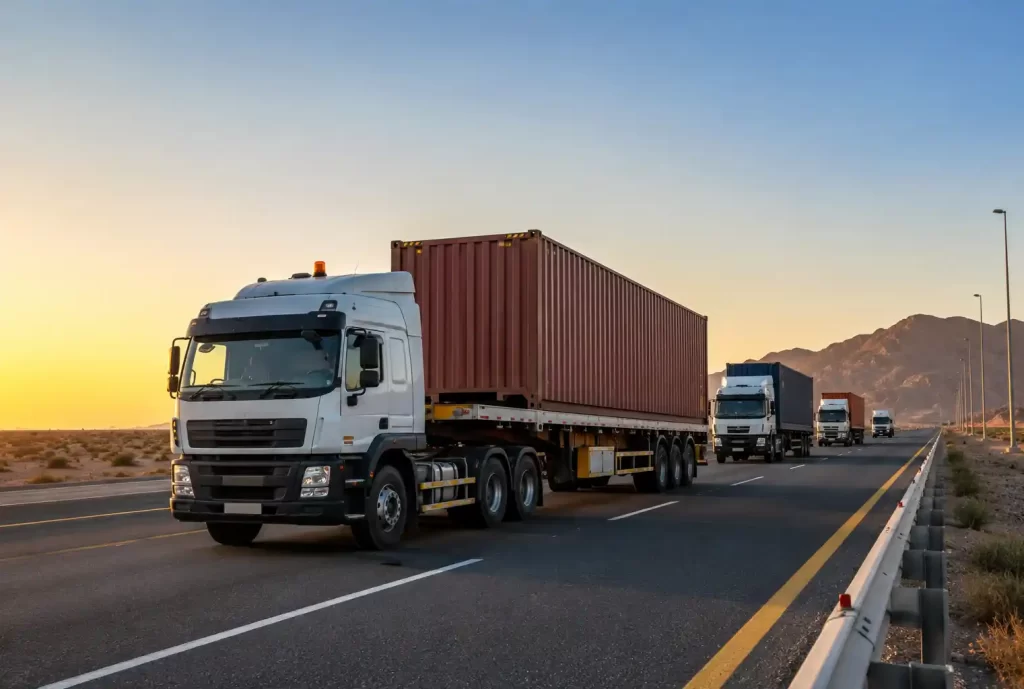
When businesses in the UAE need to move cargo across GCC countries, one question comes up repeatedly: What is the difference between intermodal and multimodal transport? After working with logistics companies and studying how regional freight moves between the UAE and neighbouring markets, I’ve noticed that many shippers confuse these two terms. While both involve […]
What to Know Before Shipping Cargo From Dubai to Saudi Arabia

Shipping cargo from Dubai to Saudi Arabia by road involves careful documentation, customs clearance, and route planning, not just booking a truck. The biggest delays almost always come from paperwork errors at the border, not the actual driving. Why Some Shipments Clear in Hours and Others Take Weeks After managing GCC road freight operations for […]
Cross Border Freight Forwarding Between UAE and GCC Explained
Cross border freight forwarding between the UAE and GCC involves moving cargo across multiple borders, each with its own customs rules, documentation needs, and inspection process. A client of mine, running a small electronics distribution business, once told me he assumed shipping to Oman would work exactly like shipping to Saudi Arabia, same documents, same […]
Dubai to Saudi Cargo: How to Handle Supply Chain Challenges

Supply chain challenges can delay deliveries and increase costs. The best way to keep Dubai to Saudi cargo moving smoothly is to choose experienced freight forwarders in Dubai, prepare accurate documents, and use reliable Dubai to Saudi by road cargo services. I still remember a shipment heading to Saudi Arabia that was fully loaded and […]
How LTL Shipping Works for GCC Cargo
From my experience handling GCC cargo, I’ve found that LTL shipping works best by combining multiple smaller shipments into one truck traveling to the same destination. This approach reduces shipping costs, improves truck utilization, and still ensures reliable deliveries across the GCC. Many businesses looking for the best freight forwarding company in dubai choose LTL […]
Why Shipping from Dubai to Saudi Arabia Is Important for Regional Trade

Over the years, I’ve noticed that Dubai–Saudi trade keeps businesses connected by ensuring goods move quickly and reliably across the region. Fast and dependable cargo services help companies reduce delays and keep their supply chains running smoothly. I’ve seen how the right freight forwarding company in Dubai can directly impact delivery performance. Careful route planning, […]
What is DDP Shipping & Why Does It Matter for UAE Businesses?

International trade requires careful logistics planning, accurate documentation, and reliable delivery solutions. In my role managing cross-border shipments, I’ve seen how Delivered Duty Paid (DDP) shipping helps businesses simplify the import process by assigning customs duties, taxes, and delivery responsibilities to the seller. Working with an experienced freight forwarding company in Dubai also plays an […]
How to Ship Cargo from Dubai to Saudi Arabia Complete Guide

Shipping cargo from Dubai to Saudi Arabia involves selecting the right shipping method, preparing the required customs documents, arranging transportation, and ensuring customs clearance before final delivery. After handling shipments across the GCC, I’ve seen that the smoothest deliveries always begin with proper preparation. When documentation, customs requirements, and transportation are planned correctly, cargo moves […]
Top 10 Benefits of Hiring a Freight Forwarder in the UAE

Hiring a freight forwarder in the UAE helps businesses move cargo more efficiently by managing transportation, customs clearance, documentation, and delivery while reducing delays and unexpected shipping costs. Whether you need regular Dubai to Saudi cargo deliveries, GCC land transport, or customs clearance support, choosing the right freight forwarder can save both time and money. […]
Door to Door vs Port to Port Which Delivery Option is Better?
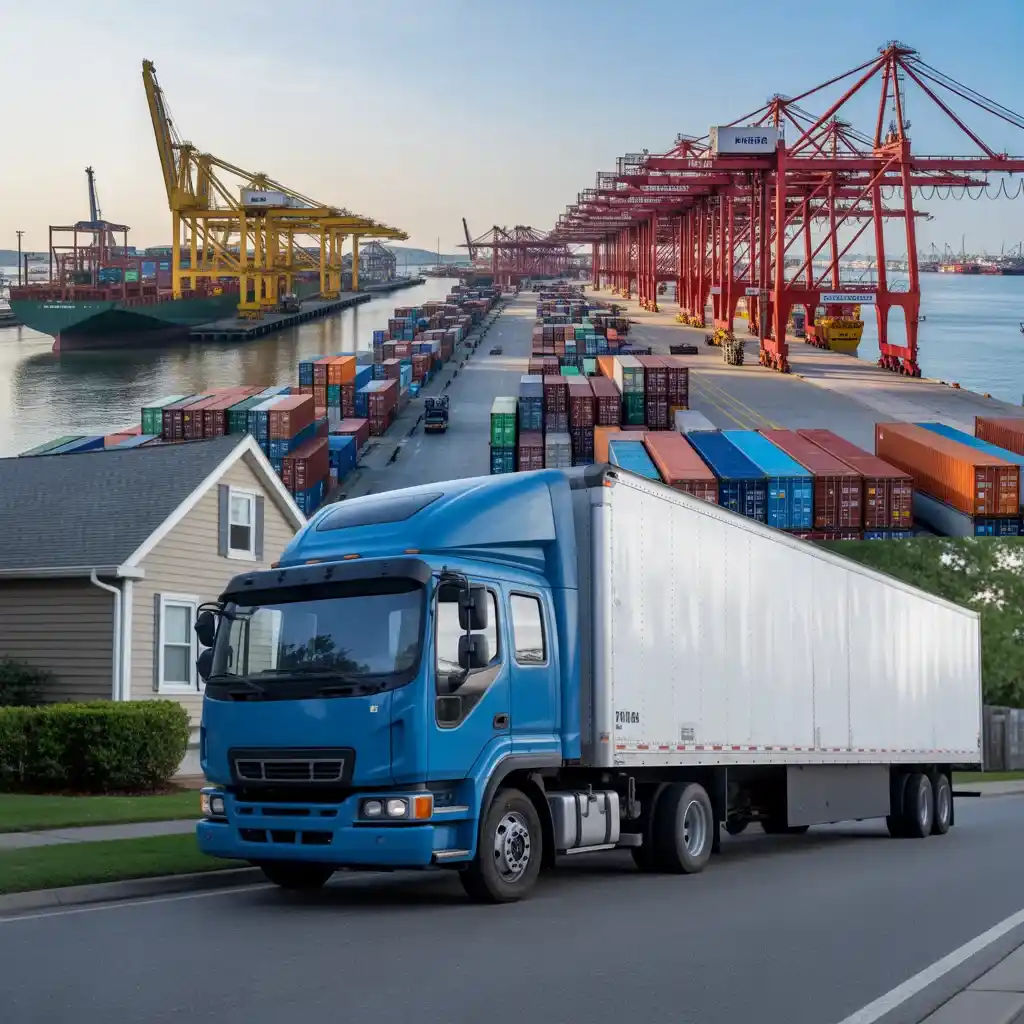
Door-to-door delivery is the better choice for most shipments because it includes pickup, customs clearance, transportation, and final delivery in one service. Port-to-port shipping is suitable for businesses that already have their own logistics team at both ends. One of the questions we hear most from businesses is, “Which shipping option will actually save us […]