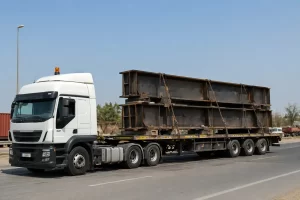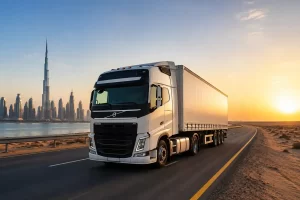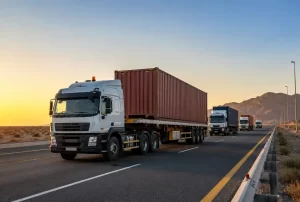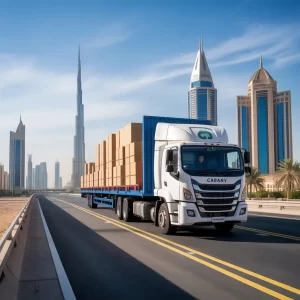
From my experience handling GCC cargo, I’ve found that LTL shipping works best by combining multiple smaller shipments into one truck traveling to the same destination. This approach reduces shipping costs, improves truck utilization, and still ensures reliable deliveries across the GCC.
Many businesses looking for the best freight forwarding company in dubai choose LTL shipping because it offers flexibility, lower transportation expenses, and improved supply chain efficiency. Whether you are shipping commercial products, retail inventory, or industrial equipment, understanding how LTL shipping works can help you make better logistics decisions.
What Is LTL Shipping?
LTL shipping, or Less Than Truckload shipping, is a freight transportation method where multiple shipments from different customers are consolidated into a single truck. Instead of paying for an entire vehicle, each shipper only pays for the portion of space their cargo occupies.
This shipping method is commonly used for:
- Commercial cargo
- Retail products
- Industrial equipment
- E-commerce shipments
- Automotive spare parts
- Electronics and consumer goods
LTL freight is especially popular for GCC trade routes because it balances affordability with reliable transportation.
How LTL Shipping Works in GCC Countries
The process begins when cargo is collected from the sender’s location and transported to a consolidation facility. At the warehouse, shipments from multiple businesses are combined into one truck heading toward the same destination region.
Many companies offering Dubai to Saudi cargo service use this model to maximize truck utilization while reducing transportation costs for customers.
The typical LTL shipping process includes:
- Cargo pickup from the shipper.
- Shipment consolidation at a logistics hub.
- Customs documentation and clearance.
- Transportation through GCC road networks.
- Cargo sorting at destination facilities.
- Final delivery to the consignee.
This system allows businesses to transport smaller freight loads without paying full truckload rates.
Key Benefits of LTL Shipping for GCC Cargo
Lower Transportation Costs
One of the biggest advantages of LTL freight is cost savings. Since multiple customers share truck space, shipping expenses are divided among all shipments.
Improved Supply Chain Flexibility
Businesses can ship smaller quantities more frequently instead of waiting to accumulate enough cargo for a full truckload shipment.
Better Resource Utilization
LTL transportation reduces empty truck space, improving logistics efficiency and supporting sustainable freight operations.
Access to GCC Markets
Companies can easily move products across Saudi Arabia, UAE, Oman, Kuwait, Bahrain, and Qatar through established regional freight networks.
When Should Businesses Choose LTL Shipping?
LTL shipping is ideal when:
- Cargo does not fill an entire truck.
- Cost reduction is a priority.
- Regular inventory replenishment is required.
- Businesses need flexible freight scheduling.
- Products are shipped to multiple GCC destinations.
It is particularly useful for SMEs, distributors, wholesalers, and e-commerce businesses operating within the Gulf region.
Dubai to Riyadh Cargo Transportation Through LTL Shipping
One of the busiest trade corridors in the Gulf is dubai to riyadh cargo transportation. Businesses frequently move consumer goods, electronics, machinery, automotive parts, and retail products between these two economic hubs.
LTL shipping helps companies reduce transportation expenses while maintaining efficient delivery schedules. Consolidated freight services also improve route optimization and vehicle utilization, making them a preferred option for cross-border GCC logistics.
Common Goods Transported Between Dubai and Riyadh
- Consumer electronics
- FMCG products
- Construction materials
- Automotive spare parts
- Medical supplies
- Retail inventory
- Industrial machinery components
Factors Affecting LTL Shipping Costs
Several elements influence freight pricing:
Shipment Weight
Heavier cargo generally costs more to transport.
Freight Dimensions
Large shipments occupy more truck space and may increase transportation charges.
Delivery Distance
Cross-border routes typically involve additional logistics and customs requirements.
Customs Clearance
Documentation and regulatory compliance can impact shipping timelines and costs.
Special Handling Requirements
Fragile, oversized, or temperature-sensitive cargo may require additional services.
Best Practices for Successful LTL Shipping
Use Proper Packaging
Secure packaging minimizes transit damage and improves cargo protection.
Label Shipments Clearly
Accurate labeling reduces handling errors and delivery delays.
Prepare Documentation Early
Ensure invoices, packing lists, and customs paperwork are complete before dispatch.
Choose Experienced Freight Partners
Reliable logistics providers help streamline transportation, customs clearance, and delivery management.
Frequently Asked Questions
What is the difference between LTL and FTL shipping?
LTL shipping combines multiple shipments in one truck, while Full Truckload (FTL) shipping reserves the entire vehicle for a single customer.
Is LTL shipping suitable for GCC cross-border trade?
Yes. LTL shipping is widely used across GCC countries because it offers cost savings and efficient transportation for smaller freight volumes.
How long does LTL shipping take between GCC countries?
Transit times vary depending on destination, customs procedures, and freight schedules. Most regional shipments are delivered within a few days.
Can LTL shipping handle commercial cargo?
Yes. LTL services are commonly used for commercial products, retail inventory, industrial goods, and business-to-business freight.
Is LTL shipping more affordable than FTL?
For smaller shipments, LTL shipping is generally more economical because transportation costs are shared among multiple customers.
Conclusion
LTL shipping has become an essential logistics solution for businesses moving cargo throughout the GCC region. By allowing multiple shipments to share transportation space, companies can reduce freight costs, improve supply chain efficiency, and expand access to regional markets. Whether transporting commercial goods, industrial equipment, or retail inventory, LTL freight offers a practical and scalable solution for modern GCC logistics operations.