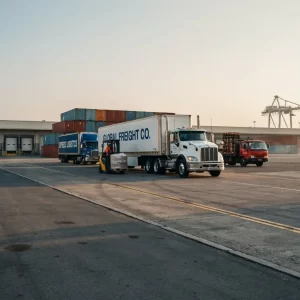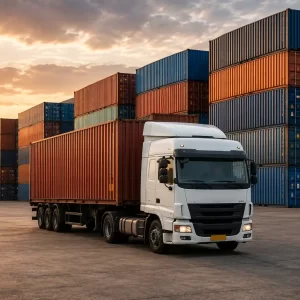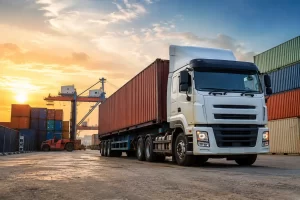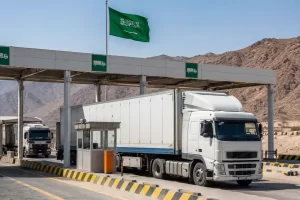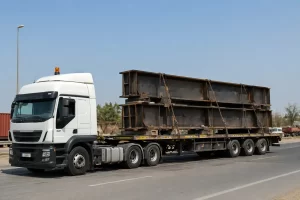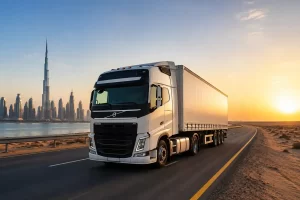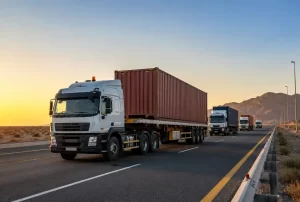
Heavy cargo transport is the safe movement of oversized or overweight equipment using specialized trailers, careful route planning, permits, and experienced operators. Every shipment is planned to ensure secure, timely delivery, especially for projects moving across GCC countries.
What Happens Before Heavy Cargo Hits the Road?
Have you ever wondered why some heavy equipment shipments arrive on time while others face costly delays? The difference is rarely the truck. Successful heavy cargo transport depends on careful planning, the right equipment, customs coordination, and experienced logistics. That is why Freight forwarders in Dubai play an important role in ensuring valuable cargo moves safely and efficiently across the GCC.
I remember working with a contractor preparing for a major industrial project in Saudi Arabia. Everything was ready except one critical shipment. A 45-ton generator had to reach the site before installation could begin. Every day of delay meant additional labour costs and lost productivity. It quickly became clear that transporting heavy equipment required far more than simply finding a suitable trailer.
What Qualifies as Heavy Cargo?
Heavy cargo includes machinery or equipment that exceeds standard transport limits for weight or dimensions. These shipments require specialized trailers, permits, experienced operators, and detailed logistics planning to move safely.
Heavy cargo commonly includes:
- Construction equipment
- Industrial machinery
- Steel structures
- Heavy generators
- Power transformers
- Oil and gas equipment
- Mining machinery
- Large storage tanks
How Does Heavy Cargo Transport Work?
Every heavy shipment follows a structured logistics process that minimizes risk, protects valuable equipment, and complies with transportation regulations throughout the journey.
The process usually includes:
- Cargo inspection and measurement
- Route planning and risk assessment
- Permit approvals where required
- Trailer selection
- Professional loading and securing
- Customs documentation
- Border clearance
- Shipment tracking
- Safe unloading at the destination
Every step reduces operational risks while keeping valuable cargo secure throughout the journey.
Which Trailer Is Used for Heavy Cargo?
The right trailer depends on the cargo’s size, weight, and destination. Choosing the correct equipment improves safety and transport efficiency.
| Trailer Type | Best For | Typical Capacity |
|---|---|---|
| Lowbed Trailer | Excavators, cranes, construction equipment | Up to 80 tons |
| Multi Axle Trailer | Large industrial machinery | 80–150 tons |
| SPMT | Extremely heavy project cargo | 200+ tons |
Why Is Professional Heavy Cargo Planning So Important?
Heavy transport requires detailed planning because even a small mistake can cause delays, damage equipment, or increase project costs. Many businesses research the top 10 freight forwarding companies in Dubai to find an experienced logistics partner capable of managing complex heavy cargo shipments.
Working with an experienced heavy transport company Dubai offers several advantages:
- Safer transportation
- Optimized transport routes
- Customs coordination
- Reduced project delays
- Real-time shipment monitoring
- Secure loading and unloading
- Full GCC logistics support
Many heavy transport companies in Dubai invest in specialized equipment and experienced logistics teams because oversized cargo requires far more planning than standard freight.
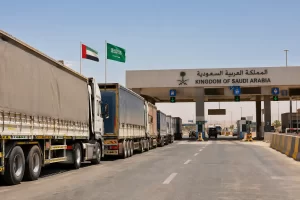
How Is Heavy Cargo Transported from Dubai to Saudi Arabia?
Businesses using a Dubai to Saudi cargo service depend on careful logistics planning, customs compliance, secure loading, and experienced cross-border transportation to ensure heavy equipment arrives safely and on schedule.
The transport process usually includes:
- Cargo collection
- Export documentation
- Customs clearance
- Cross-border transportation
- Delivery scheduling
- Safe unloading
This complete logistics approach allows businesses to focus on their projects while experienced freight specialists manage every stage of the shipment.
Frequently Asked Questions
What is considered heavy cargo?
Heavy cargo includes oversized or overweight machinery, industrial equipment, steel structures, generators, and other shipments requiring specialized transportation.
Why is heavy cargo transport different from standard freight?
Heavy cargo requires specialized trailers, route planning, permits, customs coordination, and experienced operators because of its size and weight.
Which industries use heavy cargo transport?
Construction, manufacturing, oil and gas, mining, infrastructure, renewable energy, and industrial businesses regularly depend on heavy cargo logistics.
Why should businesses choose experienced freight forwarders?
Experienced logistics providers reduce transportation risks, improve customs efficiency, and ensure valuable equipment arrives safely and on schedule.