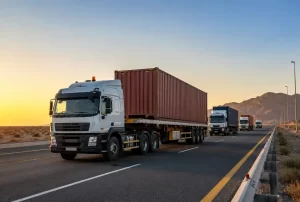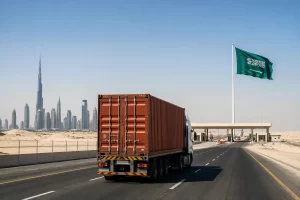
Shipping cargo from Dubai to Saudi Arabia by road involves careful documentation, customs clearance, and route planning, not just booking a truck. The biggest delays almost always come from paperwork errors at the border, not the actual driving.
Why Some Shipments Clear in Hours and Others Take Weeks
After managing GCC road freight operations for more than a decade, I’ve learned that successful cross-border shipping depends on planning long before the truck leaves the warehouse. Many businesses focus only on transport costs, but the real difference comes from documentation, customs preparation, route planning, and communication.
I’ve handled enough shipments on this route to know the difference documentation makes. Working as a Freight Forwarding Company in Dubai, some clients’ cargo clears the Saudi border within hours because every document was verified before the truck even left Dubai. Others, especially those who came to us after working with less experienced providers, ended up losing days, sometimes weeks, to paperwork errors that could’ve been caught beforehand. That gap taught me something simple: getting cargo across this border smoothly comes down to preparation, not luck.
What Makes Road Transport Different for GCC Cargo
The demand for road cargo from Dubai to Saudi Arabia keeps growing because it offers a good balance between speed, flexibility, and cost. For businesses shipping commercial goods across the GCC, trucks provide direct transportation without multiple handling points along the way.
Road transport works especially well for:
- Commercial cargo and retail inventory
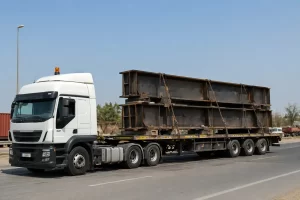
- Industrial equipment and construction materials
- FMCG products
- Automotive spare parts
- Temperature-controlled shipments
Compared to other transport options, GCC road freight tends to offer more predictable transit times, which helps businesses keep their supply chains consistent instead of dealing with sudden schedule changes.
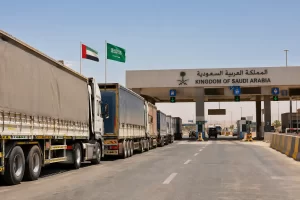
What Actually Happens at the Border
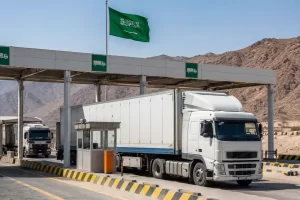
Most delays on this route don’t happen on the road itself, they happen at the border. Saudi customs require accurate commercial invoices, packing lists, correct HS codes, and properly declared cargo details. Even a small documentation mismatch, like a wrong classification code, can hold a shipment for days.
This is why documentation gets reviewed carefully before a truck ever departs Dubai, checking that everything matches customs requirements on both sides of the border before it becomes a problem at the crossing.
Planning a Shipment to Riyadh
Sending cargo through dubai to riyadh cargo services involves more than just picking a truck and a route. A few things matter more than people expect:
- Choosing the right vehicle for the cargo type
- Loading cargo properly to avoid damage or delays
- Planning the route around border traffic patterns
- Scheduling border crossing times in advance
- Coordinating customs clearance ahead of arrival
Riyadh is one of Saudi Arabia’s busiest commercial hubs, so shipments heading there often see more variation in timing depending on the week and season.
A Real Example of How Documentation Errors Get Fixed
Last year, a client came to us after another provider failed to move their commercial cargo before a major retail launch in Riyadh. The shipment carried promotional products that had to arrive before the weekend, but the previous company had submitted incomplete customs paperwork, and the cargo was stuck before it even reached the border.
We reviewed the documentation immediately, corrected the errors, coordinated directly with customs, and rescheduled the shipment. The truck crossed the border without further issues and reached the warehouse in Riyadh within the revised window. The client avoided a stock shortage and launched their promotion on time. That case is a good example of how most cross-border problems trace back to paperwork, not the actual transport.
Questions Worth Asking Before Shipping
Before sending cargo on this route, it helps to know the answers to a few basic questions:
- Does the provider regularly handle shipments to Saudi Arabia?
- Is customs clearance handled as part of the service?
- Will you get real shipment tracking, not just a starting point?
- What happens if there’s an unexpected border delay?
- Is there experience handling your specific type of cargo?
The answers to these usually tell you more about how smoothly your shipment will move than the price quote does.
Why Experience on This Route Matters
Cross-border shipping across the GCC involves changing regulations, border procedures, and documentation updates that shift more often than people realize. Businesses that have moved cargo on this route for years tend to build their processes around these changes instead of reacting to problems as they come up, which is usually what separates a smooth shipment from a delayed one.
FAQs
What is the fastest way to send cargo from Dubai to Saudi Arabia?
Road freight is generally the fastest option for regular commercial shipments, especially for medium to large loads.
How long does road cargo from Dubai to Saudi Arabia take?
It typically takes a few days, depending on the destination, customs clearance, and shipment type.
What documents are required for Saudi road cargo?
A commercial invoice, packing list, customs documents, and any product-specific certificates are usually required.
Is road freight cheaper than air freight for Saudi shipments?
Yes, road freight is usually more cost-effective for medium and large commercial cargo.
Can road cargo include door-to-door delivery in Saudi Arabia?
Yes, many providers offer door-to-door cargo delivery across major Saudi cities.
Conclusion
Shipping cargo from Dubai to Saudi Arabia by road comes down to preparation more than anything else. The Riyadh shipment case above is a clear example, the actual driving rarely causes delays, but a single documentation error can hold a truck at the border for days. Understanding what’s needed before the truck even leaves Dubai is what keeps a shipment on schedule.