Yes, but only if your shipments are regular, international, or carry real customs risk, otherwise you’re paying for coordination you don’t need. The businesses that skip a forwarder and regret it almost always find out the hard way, at the border, not before.
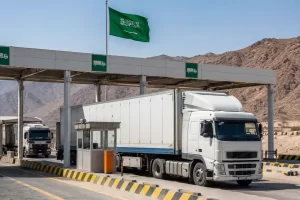
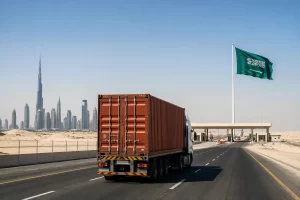
A client came to us two years ago convinced he could handle his own shipments from Dubai to Saudi Arabia. He’d done the math, hiring a truck himself looked cheaper than paying for freight forwarding services. Three weeks later, his second shipment sat at the Saudi border for six days over a documentation error he didn’t even know he’d made. By the time it cleared, the storage fees alone had wiped out whatever he’d saved. He’s been with us ever since, and that story is the reason this question comes up so often: do you actually need a freight forwarder, or can you manage it yourself?
The honest answer is, it depends on what you’re shipping, how often, and how much risk you’re willing to carry yourself.
What Freight Forwarding Services Actually Include
A freight forwarder isn’t just someone who books a truck. The role covers coordinating transportation, preparing documentation, managing customs, handling the cargo itself, and making sure it actually reaches its destination without you having to chase five different providers. When people ask what makes logistics and freight forwarding different from just “hiring transport,” this is the answer, it’s the coordination between every moving piece, not just one of them.
When Does Your Business Actually Need One?
Not every shipment needs this level of support. A small parcel or a single document is usually fine with an express courier. But once you’re dealing with regular commercial cargo, heavier loads, or international routes, the calculation changes fast.
We see this constantly with businesses managing GCC logistics, a company might need road transport to Saudi Arabia one week and a different arrangement for GCC cargo heading to Oman or Bahrain the next. Trying to coordinate that alone, provider by provider, route by route, is exactly how businesses end up in the same spot our client did.
Why Road Freight Dominates GCC Shipping
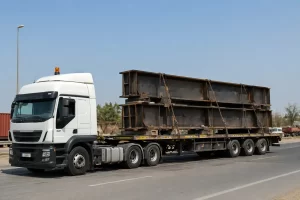
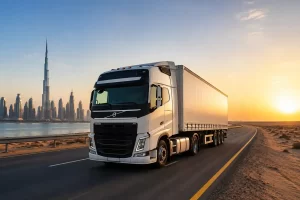
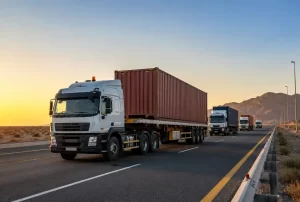
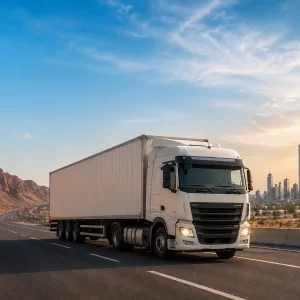
For most GCC routes, Dubai land freight remains the practical choice. Road transport handles pallets, machinery, construction materials, and retail stock without the extra handling steps that come with sea or air freight. A good road freight forwarding partner manages the entire chain, pickup, documentation, transit, and delivery, rather than just supplying a truck and leaving the rest to you.
Understanding Your Transport Options: Intermodal vs Multimodal
This is where a lot of business owners get stuck. Understanding the difference between intermodal and multimodal transport actually matters when you’re choosing how your cargo moves. Intermodal transport uses multiple transport modes with separate contracts and separate parties responsible for each leg. Multimodal transport, on the other hand, usually runs under a single contract covering the entire journey, one point of contact, one party accountable if something goes wrong.
For a business, the real question isn’t which sounds more modern, it’s who’s on the hook if a shipment gets delayed. That answer changes everything about how a problem actually gets resolved.
Small Shipments Don’t Always Need a Forwarder
If your business only needs door to door parcel delivery, collected from your premises and delivered straight to the customer, a full freight forwarding setup might be overkill. In those cases, a solid parcel delivery service often makes more sense than the full coordination a forwarder provides. The deciding factors are cargo size, urgency, and how far it’s actually traveling, not habit or what worked for your last shipment.
Handling Larger and Containerized Loads
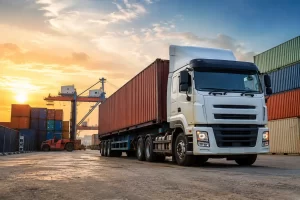
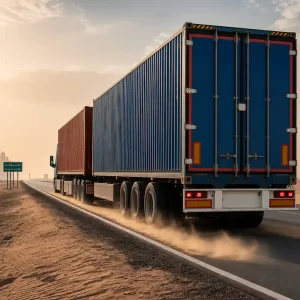
Once volume increases, the equation shifts again. Businesses moving high volumes typically need a container freight forwarder who can coordinate containerized shipments specifically, since that process differs significantly from standard pallet or crate cargo. For other commercial loads, straightforward cargo transportation by road remains the more practical route, particularly for GCC destinations reachable without a port in between.
What a Good Freight Forwarding Partner Actually Looks Like
We tell every new client the same thing when they’re comparing providers: don’t shop on price alone. A company genuinely worth hiring should be able to explain the route, the documentation you’ll need, and exactly how they’d handle a delay, before you’ve even signed anything.
If you’re looking for a freight forwarder in Saudi Arabia to manage the receiving end of a Dubai shipment, or comparing options for the best freight forwarding company in Dubai on the sending side, look for:
- Real experience on the specific GCC route you need
- Clear knowledge of customs procedures, not vague reassurances
- Transparent pricing with no surprise charges later
- A track record with cargo similar to yours
- Someone who explains the process, not just the quote
Final Thoughts
Freight forwarding isn’t necessary for every shipment, a single parcel rarely needs it. But once cargo becomes commercial, international, frequent, or time-sensitive, the coordination a forwarder provides usually costs far less than the delays and mistakes of managing it alone. Our client learned that the expensive way. Most businesses would rather learn it the easy way, before the first shipment gets stuck at a border.
Whether you’re looking into shipping from Dubai to Saudi Arabia specifically, or handling broader logistics and freight forwarding across the GCC, the right partner turns an unpredictable process into a manageable one.
FAQs
What does a freight forwarder actually do?
They coordinate transportation, documentation, customs clearance, cargo handling, and delivery, managing the full shipment instead of just one piece of it.
Is road freight a good option for GCC shipments?
Yes, road freight is widely used for commercial cargo moving between Dubai and other GCC destinations, offering flexibility and cost advantages over sea or air for regional trade.
When should my business start using a freight forwarder instead of managing shipments myself?
Once shipments become regular, international, heavy, or involve complex documentation, the coordination a forwarder provides usually outweighs the cost of managing it alone.
What’s a container freight forwarder, and do I need one?
It’s a provider that specializes in coordinating containerized cargo. You’d typically need one once your shipment volume moves beyond standard pallet or crate loads.
Is door-to-door delivery a good fit for smaller businesses?
Yes, especially when you want one provider handling pickup through final delivery without coordinating separate transport at either end yourself.