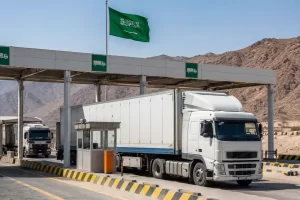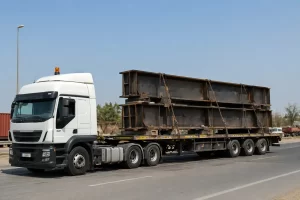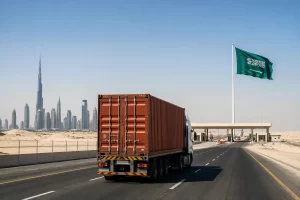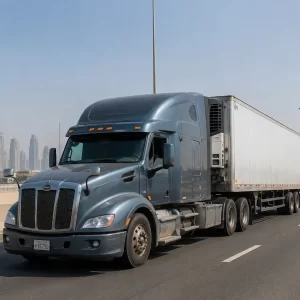
A client of ours, shipping from Dubai to Riyadh, once had a full truckload sitting at the Saudi border for three extra days, not because of the cargo, but because one invoice didn’t match the HS code on the product. That’s the pattern we see over and over as a freight forwarding company in Dubai. Shipping delays rarely come from the road itself, they come from the coordination around it, and that’s exactly the gap logistics and freight forwarding are built to close.
Where Delays Actually Come From
Most people assume delays happen because of traffic, distance, or bad luck. In our experience, that’s rarely the real cause. The shipments that get stuck almost always trace back to one of a handful of avoidable issues:
- Mismatched or incomplete documentation
- Missing certifications for regulated goods
- Undervalued or inconsistent invoice details
- Poor coordination between the pickup, transit, and delivery stages
- No one checking the paperwork before the truck actually leaves
None of these are complicated problems on their own. They just need someone paying attention to them before the cargo is already moving.
What Good Freight Forwarding Actually Does
A freight forwarder isn’t just booking a truck and hoping for the best. The real value shows up in the coordination, matching the right vehicle to the cargo, preparing documentation correctly the first time, and knowing what a specific border crossing is going to check for that week, because these requirements shift more often than people expect.
We tell every new client the same thing: the difference between a two-day clearance and a five-day hold usually comes down to whether someone caught a mistake before it was submitted, or after. That’s not a small distinction. It’s the entire job.
Route Planning for Shipping From Dubai to Saudi Arabia
Choosing the fastest route on a map isn’t the same as choosing the fastest route in practice, especially once you’re moving cargo from Dubai to Saudi Arabia. Border dwell times, checkpoint congestion, and even the time of day a truck arrives can add hours that never show up in a distance calculation. A freight forwarder who’s run this specific corridor repeatedly knows which crossings tend to move faster, and plans around that instead of just around kilometers.
Documentation Is Where Most Delays Actually Start
If there’s one lesson worth repeating, it’s this: paperwork causes more delays than roads do. A missing certificate, an inconsistent product description, or a wrong HS code can hold a shipment for days regardless of how good the driver or the truck is. Good freight forwarding treats documentation review as a non-negotiable step before dispatch, not an afterthought handled somewhere along the way.
Communication Prevents Small Problems From Becoming Big Ones
A shipment can hit a snag and still stay on schedule if someone catches it early and adjusts. What actually derails a delivery is silence, nobody noticing an issue until the client is already asking where their cargo is. Real-time tracking and a team that flags problems as they happen, rather than after the fact, is what keeps a delay from turning into a lost delivery window entirely.
What This Looks Like in Practice
When logistics and freight forwarding are handled properly, the process looks almost uneventful, which is exactly the point. Documents get checked before departure. The route accounts for known bottlenecks. Someone’s actually watching the shipment move, not just hoping it arrives. It’s not glamorous work, but it’s the difference between cargo that clears on the first attempt and cargo that sits at a border costing money in storage fees.
Final Thoughts
Shipping delays are rarely about bad luck. They’re almost always about a detail that got missed somewhere along the way, a document, a code, a checkpoint nobody planned for. Good freight forwarding doesn’t eliminate every possible delay, but it catches the avoidable ones before they cost you time and money. That’s the whole job, even when it doesn’t look like much is happening.
FAQs
What’s the most common cause of shipping delays?
Documentation errors, mismatched HS codes, missing certifications, or inconsistent invoice details cause more delays than road conditions or distance ever do.
Can a freight forwarder actually speed up customs clearance?
Yes, by verifying documentation before submission and staying current on what a specific border crossing is checking for, mistakes get caught before they cause a hold.
Is route planning really that important if the distance is the same?
Yes, border dwell times and checkpoint congestion can add far more delay than the actual driving distance, which is why experience with a specific corridor matters.
How does real-time tracking actually prevent delays?
It lets problems get flagged and addressed as they happen, rather than being discovered only after a delivery is already late.
Do small businesses need freight forwarding as much as large ones?
Any business shipping internationally or regularly benefits from it, the risk of a documentation mistake doesn’t shrink just because the shipment is smaller.