ZATCA’s 12-digit HS code requirement means Dubai exporters now need to classify cargo with far more precision than the old 6- or 8-digit systems asked for, and getting even one segment wrong can hold a truck at the border for days. Companies that handle shipping from Dubai to Saudi Arabia regularly are finding this isn’t a paperwork footnote. It’s become one of the most common reasons cargo gets flagged, re-inspected, or sent back before it clears.
What the 12-Digit Code Actually Covers
Saudi Arabia’s tariff structure builds on the international Harmonized System but adds layers specific to the region. The first six digits follow the global HS standard used almost everywhere. The next two come from the GCC’s unified tariff system, shared across Saudi Arabia, the UAE, Qatar, Bahrain, Oman, and Kuwait. The final four digits are specific to Saudi Arabia’s own schedule, covering finer distinctions in material, finish, or intended use that the broader international code doesn’t capture.
A product that used to sit under one broad UAE HS heading can now split into several Saudi-specific endings, depending on composition, coating, or intended use. A generic classification that worked for years isn’t detailed enough anymore.
Why This Matters More for Road Freight
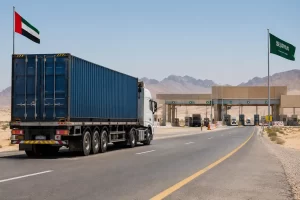
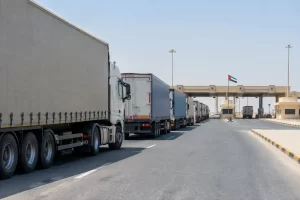
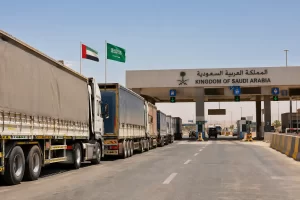
Businesses arranging shipping from Dubai to Saudi Arabia by land work with a tighter window than sea or air cargo allows. A truck approaches the border with a set arrival slot, and if the declared HS code doesn’t match the goods, or is missing digits, the shipment gets pulled for manual review, anywhere from a few hours of delay to a return to Dubai for reclassification.
This is part of why the wider conversation around Dubai to Saudi Arabia Cargo: Full Guide keeps circling back to documentation rather than routing. The road itself is rarely the bottleneck on this corridor; the paperwork riding with the cargo often determines how the crossing goes.
Getting the Classification Right
Identifying the correct code isn’t something that can be guessed from a product name on an invoice. Exporters need a clear technical description covering material composition, manufacturing process, intended use, and sometimes packaging, because these details determine which Saudi-specific ending applies. An invoice line that just reads “spare parts” gives a classifier almost nothing to work with.
It also helps to check the code against the current Saudi tariff schedule rather than reusing whatever was used last time, since tariff lines get revised periodically. Businesses that regularly manage shipping from Dubai to Saudi Arabia tend to build this check into their standard export process rather than treating it as a one-off task.
How an Incorrect Code Creates Problems
A misclassified code doesn’t just risk a delay. It tends to trigger a chain of smaller issues. Saudi customs may question the declared value if it doesn’t align with the stated classification, duty calculations can come out wrong, and if the code implies the goods need a certificate, such as SASO conformity approval, and it wasn’t prepared in advance, the shipment won’t move. Getting customs clearance in Dubai finished correctly on the export side doesn’t guarantee smooth entry into Saudi Arabia, but skipping steps on either end multiplies the risk of delay.
For a Dubai exporter shipping a mixed pallet of hardware and small machine parts, this can mean the difference between a same-day crossing and a truck sitting at the border for a week.
A Practical Example
Consider a Dubai-based supplier exporting steel fittings to a contractor in Riyadh. The fittings had always been declared under a general “steel articles” heading that worked under the shorter code system. Under the 12-digit structure, that heading splits by finish, coating, and application. Because the shipment used the old generic code, customs flagged a mismatch with what physical inspection showed, and the load was held pending clarification. The exporter had to supply a revised specification sheet before release, a delay that could have been avoided if the classification had been checked before the truck left Dubai.
Choosing a Partner Who Handles This Properly
Because classification errors are now this consequential, more Dubai exporters are selective about who manages their documentation. When a shipment depends on accurate HS classification, coordinated customs paperwork, and reliable road freight execution, working with the best freight forwarding company in Dubai for that specific route matters more than working with whoever is cheapest. A forwarder who understands Saudi-specific tariff distinctions can catch a misclassification before the truck leaves, rather than after it’s stopped at the border.
Final Checks Before the Truck Leaves Dubai
Before cargo is handed over for customs clearance in Dubai, exporters should confirm: the HS code matches the current Saudi tariff schedule; the invoice description matches what’s physically in the shipment; any required certificates, such as SASO approvals, are attached; and the declared value is consistent with the classification used.
None of this needs to happen at the last minute. Building it into the standard pre-dispatch process for shipping from Dubai to Saudi Arabia means checks happen while there’s still time to fix a mistake, not after a truck has been turned away.
Pre-Shipment Checklist
- Confirm the full 12-digit HS code against the current Saudi tariff schedule.
- Match the invoice description to the actual goods, in real detail.
- Attach any required product certificates before dispatch.
- Verify the declared value aligns with the classification used.
- Confirm export paperwork is fully processed before departure.
- Keep a record of how the classification was determined, in case customs asks.
Conclusion
ZATCA’s move to 12-digit HS codes has raised the bar for how precisely Dubai exporters need to classify cargo before it heads to Saudi Arabia. The extra digits reflect real distinctions that affect duties, certificates, and whether a shipment clears without incident. For businesses handling regular cargo from Dubai to Saudi Arabia, treating HS classification as a checked, verified step is what keeps trucks moving instead of sitting at the border.
FAQs
What is ZATCA’s 12-digit HS code requirement?
It is Saudi Arabia’s detailed tariff classification system for identifying imported goods.
How is Saudi Arabia’s 12-digit HS code structured?
The first 6 digits follow the global HS system, followed by GCC and Saudi-specific digits.
Why does an incorrect HS code cause delays at the Saudi border?
Incorrect codes can trigger customs checks, reclassification, and shipment delays.
What information is needed to identify the correct HS code?
Exporters need a clear description of the goods, including material, use, and manufacturing details.
What should Dubai exporters check before a truck leaves for Saudi Arabia?
Verify the HS code, invoice description, required certificates, and declared value.
Can a freight forwarder help avoid HS code mistakes?
Yes. An experienced forwarder can review the classification and documents before dispatch.