Every UAE business that moves goods — whether importing raw materials, restocking retail shelves, or shipping to GCC neighbors — knows how fast one delayed truck or missing customs form can throw off an entire operation. As trade volumes across the region keep climbing, building a resilient UAE supply chain has stopped being a back-office detail and become a real competitive edge. Businesses that partner with an experienced freight forwarding company in Dubai are usually better equipped to handle this complexity, since local knowledge of customs rules, route planning, and GCC trade corridors often decides whether a shipment arrives on time or sits stuck at a border. Here are five practical strategies shaping supply chain performance across the UAE and GCC in 2026.
1. Sharpen Demand Forecasting and Inventory Planning
Stockouts and overstocking both eat into margins, and most of the time the root cause is poor visibility into demand. Businesses that get this right tend to:
- Use historical sales data to spot seasonal patterns before they hit
- Keep real-time inventory visibility across warehouses and retail points
- Coordinate closely with suppliers so reorder timing matches actual demand, not guesswork
- Review forecasts monthly rather than only at year-end
Better forecasting doesn’t eliminate surprises, but it narrows the margin of error enough to keep inventory costs and customer satisfaction in balance.
2. Choose the Right Road Freight and GCC Transportation Solutions
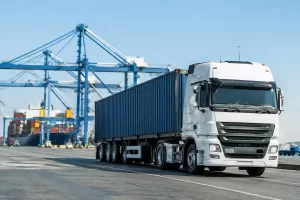
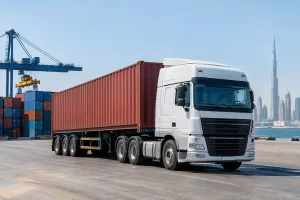
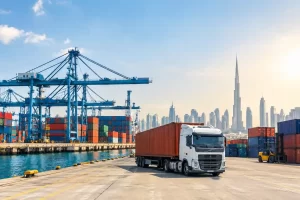
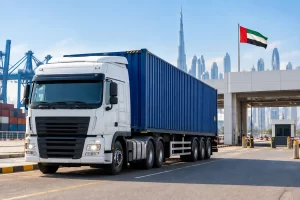
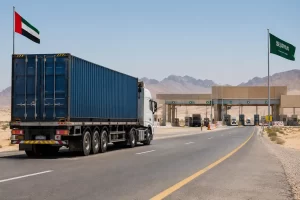
When comparing the best freight forwarding companies in Dubai (2026), businesses should consider GCC route expertise, customs clearance support, delivery reliability, and cost-effective transportation solutions. Road freight remains the backbone of UAE-to-GCC trade, and getting the transportation setup right affects both cost and reliability. Key considerations include:
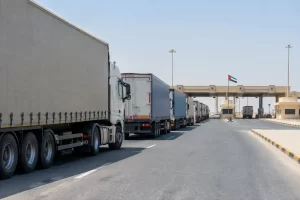
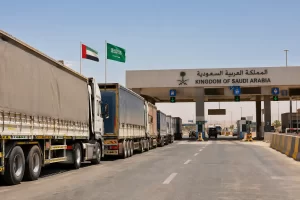
- Planning routes around border crossing times and peak congestion periods
- Consolidating smaller shipments to reduce per-unit transport costs
- Matching transport capacity to actual shipment volume instead of defaulting to the same vehicle type every time
- Building in realistic delivery windows rather than best-case estimates
A logistics partner with established GCC routes can often flag these adjustments before they become costly.
3. Prepare Customs Documentation in Advance
Customs delays are one of the most common — and most avoidable — disruptions in GCC shipping. UAE exporters sending goods to Saudi Arabia should also understand SABER certification requirements following the 2026 HS code update. Strong documentation practices include:
- Double-checking commercial invoices and packing lists for accuracy before dispatch
- Confirming HS codes match the actual goods being shipped
- Securing any required permits well ahead of the shipment date
- Verifying destination-specific requirements separately, since customs rules differ across Saudi Arabia, Qatar, Oman, Kuwait, and Bahrain rather than following one GCC-wide standard
Treating each destination’s customs process as unique, rather than assuming uniformity, prevents a lot of last-minute scrambling.
4. Use Technology for Shipment Visibility and Coordination
Modern shipment tracking and digital documentation tools give businesses the ability to react to problems instead of just discovering them after the fact. Useful practices here include:
- Tracking shipments in real time so delays are caught early, not after a missed deadline
- Digitizing documentation to avoid paperwork bottlenecks at customs checkpoints
- Syncing inventory systems with shipment status so sales and procurement teams aren’t working off outdated numbers
- Automating routine status updates to customers or internal teams
None of this needs to be complex — even basic tracking dashboards meaningfully cut down on communication delays.
5. Build Reliable Logistics Partnerships and Contingency Plans
No supply chain is disruption-proof, so the businesses that handle setbacks best are usually the ones that planned for them. That means:
- Vetting logistics partners on reliability and communication, not just price
- Establishing clear escalation procedures before a delay happens, not during one
- Mapping alternative routes in case a primary corridor is blocked or congested
- Setting realistic delivery expectations with customers upfront, with buffer built in
A dependable partner relationship, paired with a backup plan, turns disruptions into manageable delays rather than full-blown crises.
Moving Forward with a Stronger UAE Supply Chain
None of these five strategies work in isolation — forecasting, transportation, documentation, technology, and partnerships all reinforce each other. For UAE businesses shipping across the GCC in 2026, the practical next step is an honest audit of where delays or inefficiencies keep recurring, then addressing that specific gap first rather than overhauling everything at once.
Frequently Asked Questions
What are the main supply chain challenges in the UAE?
Customs documentation delays, inconsistent demand forecasting, and coordinating deliveries across multiple GCC borders are among the most common issues.
How can businesses improve logistics efficiency in 2026?
By combining better inventory forecasting, real-time shipment tracking, and stronger logistics partnerships rather than relying on any single fix.
Why is customs clearance important for GCC shipments?
Each GCC country has its own documentation and permit requirements, and errors here are one of the most frequent causes of shipment delays.
What are the benefits of road freight for GCC transportation?
It offers flexible scheduling, cost-effective consolidation options, and direct door-to-door delivery across neighboring countries.
How can businesses reduce shipping delays?
Preparing documentation early, choosing routes with realistic timing, and working with an experienced logistics partner all help minimize delays.
How do logistics partners support supply chain management?
They bring route expertise, customs familiarity, and contingency planning that most individual businesses don’t have the resources to build in-house.