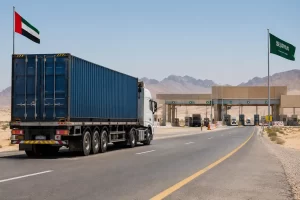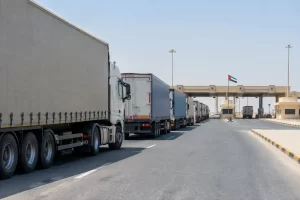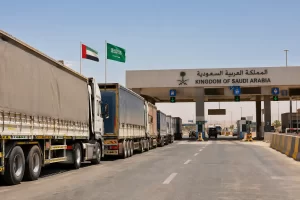
GCC freight shipping requires accurate documents such as the commercial invoice, packing list, certificate of origin (when applicable), and customs declarations to ensure smooth border clearance.
A recent GCC shipment reminded us how important accurate paperwork is. A small documentation issue delayed customs clearance until it was corrected. That’s why we always verify freight shipping documents in Dubai before dispatch to help reduce delays and keep shipments moving smoothly across GCC borders.
Why Documentation Matters in GCC Freight Shipping
Accurate documentation is the foundation of successful international logistics. Every shipment leaving Dubai must pass through customs checks, and missing or incorrect paperwork can lead to delays, penalties, or even shipment rejection. Proper documentation ensures transparency in trade, correct valuation of goods, and smooth border clearance.
In GCC logistics operations, documents also help authorities track cargo movement, ensure tax compliance, and maintain security standards across borders.
Commercial Invoice and Packing List
One of the most important documents in freight shipping is the commercial invoice. It includes:
- Description of goods
- Quantity and value
- Seller and buyer details
- Currency and payment terms
The packing list complements the invoice by providing detailed information about how goods are packed, including weight, dimensions, and packaging type.
These documents are essential for cargo to Saudi Arabia from Dubai and are reviewed by customs authorities before clearance approval.
Bill of Lading / Freight Receipt
The bill of lading acts as a contract between the shipper and freight provider. It confirms that goods have been received and are being transported to the destination. For cargo services from Dubai to Saudi Arabia, this document is crucial for tracking shipments and claiming goods upon arrival.
Depending on the transport mode (road, air, or sea), the document type may vary, but its purpose remains the same proof of shipment ownership and transport agreement.
Certificate of Origin
The certificate of origin identifies the country where the goods were manufactured. This document is especially important in GCC trade because it helps determine tariff rates and eligibility for customs exemptions.
For businesses involved in shipping from Dubai to Saudi Arabia, Qatar, or other GCC destinations, this certificate ensures compliance with regional trade agreements.
Import/Export Permits
Certain goods require special permits depending on their category, such as electronics, food items, chemicals, or medical equipment. These permits must be approved by relevant authorities before shipment.
When dealing with shipping from Dubai to Qatar or other GCC countries, import regulations may vary, so verifying permit requirements beforehand is essential to avoid delays at customs checkpoints.
Insurance Certificate
Cargo insurance is highly recommended to protect shipments from damage, loss, or theft during transit. An insurance certificate provides proof that goods are covered under a valid insurance policy.
This document is particularly important for high-value shipments and commercial freight operations where risk management is a priority.
Customs Declaration Form
A customs declaration form provides detailed information about the shipment, including product classification, value, and purpose of export. This document helps customs authorities assess duties and taxes accurately.
For businesses engaged in shipping from Dubai to Saudi Arabia, proper declaration ensures faster clearance and avoids unnecessary inspections or fines.
Additional Documents (If Required)
Depending on the type of cargo, additional documents may be required, such as:
- Health certificates (for food products)
- Technical specifications (for machinery)
- Safety data sheets (for chemicals)
- Trade licenses (for commercial shipments)
These documents ensure compliance with specific regulatory requirements across GCC countries.
Role of Customs Clearance in Dubai
Efficient customs clearance in Dubai is a key step in the freight shipping process. Customs authorities review all submitted documents to verify cargo details, ensure legal compliance, and calculate applicable duties.
Delays in documentation submission or errors in paperwork can result in shipment holds, additional costs, or rejected cargo. That is why experienced freight forwarders play a vital role in handling documentation and ensuring smooth cross-border logistics.
Why Choosing the Right Freight Partner Matters
A professional logistics provider not only transports goods but also manages documentation, compliance, and customs coordination. The best freight forwarding company in Dubai ensures:
- Accurate document preparation
- Fast customs clearance
- Secure cargo handling
- Real-time shipment tracking
- GCC-wide delivery support
Experienced freight companies reduce risks and help businesses maintain consistent supply chain operations across the region.
Conclusion
Understanding the required documents for GCC freight shipping from Dubai is essential for smooth and efficient cargo movement. From invoices and certificates to permits and customs declarations, each document plays a critical role in ensuring compliance and avoiding delays. Whether you are handling cargo services from Dubai to Saudi Arabia, Qatar, or other GCC destinations, top customs mistakes in cargo services proper documentation is the key to successful logistics operations.
Working with a professional freight partner helps streamline the entire process, from paperwork to delivery, ensuring your cargo reaches its destination safely and on time.
FAQs
What are the main documents required for GCC shipping from Dubai?
The main documents include a commercial invoice, packing list, bill of lading, certificate of origin, and customs declaration form.
Is customs clearance required for GCC cargo shipping?
Yes, all shipments must go through customs clearance in Dubai and destination countries to ensure legal compliance.
Do I need insurance for freight shipping?
Cargo insurance is recommended to protect against loss, damage, or theft during transit.
Can freight forwarders handle documentation?
Yes, professional freight forwarding companies manage all documentation and customs requirements for smooth shipping.
Are documents different for each GCC country?
Yes, some requirements may vary depending on the destination country such as Saudi Arabia, Qatar, Bahrain, or Oman.