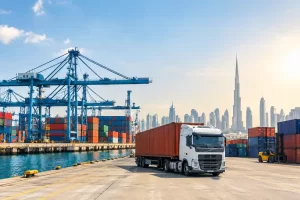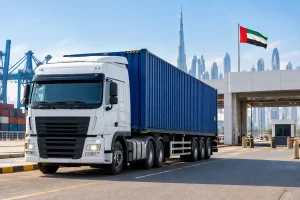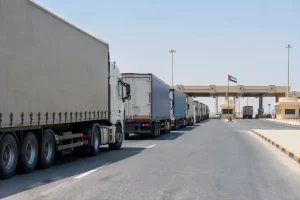
Jebel Ali has one of the largest volumes of maritime traffic in the Middle East, connecting the country to overseas markets. The local transport infrastructure and logistics industry are now being forced to adopt a new approach to importing and exporting goods after regional transshipment problems arose.
In the second quarter alone of 2026, Jebel Ali’s cargo volumes dropped by nearly 90% compared to the same period in 2025. The number does not represent 90% of the emirate’s shipping companies’ cargo being redirected to other inlets but rather the decrease in activity at the local port.
A disruption of traffic through the Strait of Hormuz has prompted businesses to find alternate routes and distribution centers. For transshipment companies in the GCC region, the challenge includes developing itineraries and utilizing carriers to organize road transport and paperwork. For this purpose, Al Weam Cargo, the best freight forwarding company in Dubai, has you covered!
Why Is Cargo Being Rerouted?
The main problem is disrupted distribution routes near the Strait of Hormuz. Such a situation requires diversion of shipping traffic away from the usual route.
As a result, shippers might need to use alternate transportation and connections.
This affects trade:
- Incurring additional costs for transport.
- Creating additional delays in the distribution chain.
- Imposing additional restrictions on the ports.
- Incidences of this nature can also lead to congestion at alternate entry points.
Such issues make the distribution chain more complex, requiring multiple transportation carriers and imposing additional documentation requirements. This has necessitated a more flexible approach to logistics management for companies that either import goods into the UAE or re-export them to other Gulf states.
Which Alternative Routes Are Being Used?
Several ports and land corridors have been helpful in this regard.
Fujairah and Khor Fakkan
Both ports are on the UAE’s east coast and outside the Strait of Hormuz. Both can offer an alternative maritime route to the Gulf if the main ports are blocked or unavailable.
This is helpful because cargo arriving at these UAE ports can then be transported by road to Dubai – and other places – depending on the applicable customs and transit procedures.
Sohar and the Hatta Green Corridor
Oman’s Port of Sohar is also playing a role in alternative cargo transportation options. Recently, Dubai Customs introduced the Green Corridor to facilitate the movement of cargo arriving in Oman into Dubai via the Hatta border.
This, in turn, would provide an alternative for cargo movements involving Fujairah and Khor Fakkan, too, which should be of great help to companies that want to have alternative transportation options when the usual shipping routes are unavailable.
These alternatives cannot replace everything that is being handled at Jebel Ali – they are just other ways of getting goods to their destination if the preferred method is unavailable for some reason.
How Road Freight Helps Keep Cargo Moving
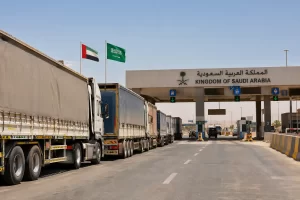
It should be noted that alternative ports are just one part of the solution. Goods may have to get from the destination port to some business warehouse or a customer’s front door. This is where road freight comes into play. A freight forwarder can help design the best possible freight forwarding solution that will get cargo from one place to another.
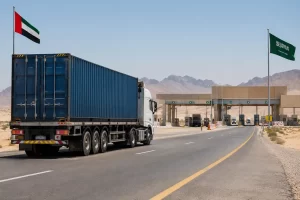
Depending on the specific needs of the business, the company can handle the loading of goods onto vehicles, transportation, customs, and unloading upon arrival. For instance, companies that need to transit goods from Dubai to Saudi Arabia can use road freight transportation to move commercial inventory, machinery, parcels, or even personal belongings.
Al Weam Cargo offers a wide range of road freight services in the GCC, including full-truck-load and shared-truck-load transport, door-to-door delivery, and customs clearance. They provide businesses with end-to-end freight forwarding solutions, allowing them to worry about other logistics while someone else handles the movement of their goods.
How Al Weam Cargo Supports GCC Shipments
When logistics routes are changed, companies must have a clear understanding of their transport options, documentation requirements, and expected delivery times.
Al Weam Cargo has provided road freight transport services since 2002 within the GCC. The company specializes in commercial and personal cargo, household removals, parcel transportation, and customs brokerage services.
Businesses can arrange:
- Dubai to Saudi cargo service: Road freight for commercial and personal shipments across Saudi Arabia.
- Dubai to Riyadh cargo: Full truckload and shared-load transport options for Riyadh deliveries.
- Dubai to Jeddah cargo: Road transportation for goods travelling to Jeddah and other Saudi destinations.
- Cargo to Bahrain from Dubai: Door-to-door road freight for business and personal shipments.
- Shipping from Dubai to Qatar: GCC road freight arranged according to cargo requirements and destination.
For shipments requiring export paperwork and border processing, Al Weam Cargo also provides customs clearance in Dubai and coordinates documentation for cross-border transport.
The suitable service depends on the shipment, its destination, and current route conditions. Alternative ports and corridors may require separate arrangements, so businesses should confirm the available options before booking.
What Should Businesses Do During Shipping Disruptions?
Businesses can mitigate avoidable delays by planning ahead and ensuring transport preparations have been made before dispatching cargo.
- Check the available routes and transportation corridors that are open for trade.
- Invoices, packing lists, certificates of origin, and any other paperwork relevant to the destination should be checked.
- Decide the most appropriate form of transport based on the nature of the cargo and its destination; road haulage, shared use of a vehicle or a full truck are examples of possible methods.
- It is important to build in extra time to allow for changes to the itinerary.
- Engaging a reputable freight-forwarding organization can help move goods from the point of origin to destination. A company experienced in GCC road transport can help organizations with the paperwork and transportation needed and ensure delivery of the goods.
Keep Your Cargo Moving With Al Weam Cargo
The disruption in Jebel Ali underlines the importance of having alternate routes for companies that rely on shipping via established ways. With the help of alternative ports such as Fujairah and Khor Fakkan and the land bridge via Oman, cargo traffic can be rerouted when a certain area is temporarily unavailable.
We offer road freight services for businesses and individuals in Saudi Arabia, Bahrain, Qatar, Kuwait, and Oman. If you have a need for transportation of goods from Dubai into another GCC country, contact us, and we will advise you on what options are available.
Contact Al Weam Cargo for a quotation based on your cargo, destination, and delivery requirements.
Frequently Asked Questions
1. Has 90% of Jebel Ali cargo been rerouted?
The reported figure refers to a roughly 90% year-on-year decline in container throughput during Q2 2026. It does not establish that exactly 90% of cargo was rerouted.
2. Which ports are being used as alternatives to Jebel Ali?
Fujairah and Khor Fakkan have supported alternative cargo movements, while Sohar in Oman and the Hatta Green Corridor have also helped maintain regional trade.
3. Can road freight help when shipping routes are disrupted?
Yes. Road freight can connect ports, warehouses, and final destinations, although availability, transit times, and border requirements depend on the shipment.
4. Does Al Weam Cargo offer shipping to Saudi Arabia?
Yes. Al Weam Cargo provides road-freight services from Dubai to Riyadh, Jeddah, and other Saudi destinations.
5. What documents are needed for GCC cargo shipments?
Requirements depend on the goods and destination. Common documents include commercial invoices, packing lists, and certificates of origin, while certain products require additional approvals or certificates.