Transporting fragile items requires more than just careful handling—it demands planning, the right packaging, and knowledge of logistics. Whether you’re moving glassware, electronics, or luxury goods, the smallest mistake can result in costly damages. For businesses and individuals, avoiding common errors in fragile goods transport can make the difference between customer satisfaction and financial loss.
In this blog, we’ll highlight the top mistakes people make when shipping fragile goods, and how you can avoid them to ensure safe delivery.
Using the Wrong Packaging Materials
The most common mistake in fragile goods transport is using packaging that does not match the item’s level of fragility. Thin cardboard boxes or generic fillers often fail to provide the required cushioning. Items such as glass, ceramics, or electronics require sturdy corrugated boxes, foam inserts, bubble wrap, and sometimes even custom crates.
When shipping fragile items over long distances, poor packaging increases the chances of damage. Investing in specialized packaging solutions ensures goods arrive intact, saving money and reputation in the long run.
Ignoring Proper Cushioning and Spacing
Another mistake is failing to fill empty spaces inside the box. When fragile goods shift inside their container during transit, they are at higher risk of cracking or breaking. Using fillers such as packing peanuts, crumpled paper, or foam padding ensures items stay snug in place.
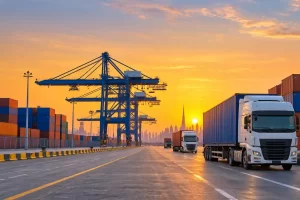
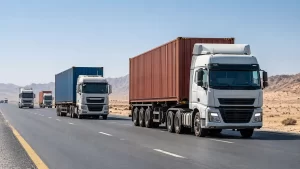
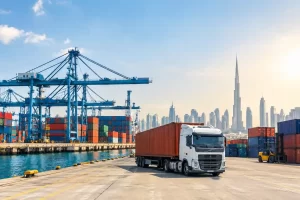
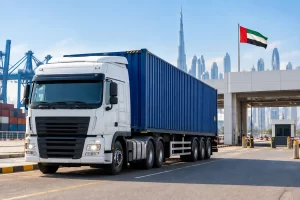
For example, when businesses send cargo to Saudi Arabia from Dubai, shipments may face long road journeys across borders. Without proper cushioning, fragile products may not survive the constant vibrations and bumps along the way.
Forgetting to Label Shipments as “Fragile”
Labels are not just stickers—they serve as instructions for handlers and logistics staff. Failing to mark fragile goods properly is one of the easiest but most overlooked mistakes.
When shipments are labeled “Fragile – Handle with Care,” warehouse staff, truck drivers, and customs officers are more likely to treat the package with caution. Clear labeling also helps logistics providers prioritize careful placement within trucks.
Overlooking the Role of Climate and Temperature
Not all fragile items break due to impact; some are affected by temperature fluctuations. Perfumes, electronics, and certain chemicals may lose quality if exposed to extreme heat. Similarly, humidity can damage artworks, documents, or sensitive medical supplies.
Planning shipments without considering climate conditions is a mistake that can ruin products before they reach their destination. Using insulated containers, climate-controlled trucks, or desiccant packs helps safeguard fragile cargo from environmental factors.
Choosing the Wrong Shipping Partner
A trusted logistics partner makes all the difference. Many damages occur because shippers select the cheapest service without considering reliability or expertise in handling fragile items.
When selecting a road cargo service provider, check for:
- Experience in fragile goods transport
- Availability of insurance options
- Tracking technology
- Positive customer reviews
For businesses shipping from Dubai to Riyadh, choosing a logistics company with experience in long-haul road cargo ensures delicate shipments arrive safely and on time.
Skipping Insurance Coverage
One of the most costly mistakes is ignoring insurance for fragile goods. Even with the best precautions, accidents can happen—vehicles may encounter rough roads, delays, or mishandling. Without insurance, businesses may face total losses.
Insurance provides peace of mind by covering damages and losses during transit. It’s a small cost compared to the potential financial burden of damaged goods. For high-value shipments, this is not optional—it’s essential.
Underestimating Customs and Documentation
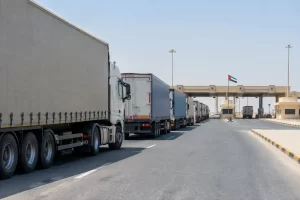
When transporting fragile items internationally, incomplete paperwork can cause delays at borders. These delays often mean fragile goods remain in trucks or warehouses longer than planned, increasing risks of damage.
For instance, shipments between the UAE and Saudi Arabia require specific customs declarations and invoices. Missing details may hold up delivery, costing both time and money. Always ensure customs documents are accurate and complete before dispatching fragile goods.
Failing to Train Staff in Handling Fragile Cargo
Even with perfect packaging, if staff lack proper training, fragile items remain at risk. Mishandling during loading, unloading, or stacking is a common cause of breakage.
Logistics providers should train their teams on:
- Correct lifting and stacking methods
- Identifying fragile labels and handling accordingly
- Using specialized equipment for heavy delicate goods
Well-trained staff not only reduce damage but also enhance customer trust in your services.
Not Planning for Last-Mile Delivery
Often, businesses focus on long-distance transportation but forget that the final stage—the last mile—is equally critical. Fragile items may be exposed to rough handling during doorstep delivery or warehouse transfer.
Planning safe last-mile delivery involves:
- Smaller vehicles for easy access
- Extra packaging reinforcements
- Coordinated delivery scheduling with customers
This final step ensures fragile items remain safe right up to the moment they are received.
Practical Tip: How to Ship Fragile Items Safely
How to ship fragile items safely matters is simple—customer trust and brand reputation depend on it. Businesses that master safe fragile goods transport not only reduce losses but also attract repeat clients who value reliability. By avoiding these mistakes, companies can ensure every fragile shipment arrives as promised.
Conclusion
Fragile goods transport requires more than ordinary shipping practices—it demands attention to detail at every stage. From using the right packaging and labeling to choosing experienced logistics providers, each step plays a role in ensuring safety.
Whether it’s cargo to Saudi Arabia from Dubai or shipping from Dubai to Riyadh, avoiding common mistakes protects goods, reduces costs, and builds customer confidence. By combining proper planning, staff training, and reliable logistics support, fragile items can travel across borders without worry.
Safe fragile goods transport isn’t just about preventing damage—it’s about ensuring peace of mind for both businesses and customers.